Warren County Court Records show detailed information about cases handled in Warren County Ohio courts. These records include civil disputes, criminal charges, traffic matters, and family-related filings. The Warren County Court Ohio system organizes each case with a unique reference number for easy review. Users can review case status, hearing dates, and court actions through available public court records search tools. These records reflect how the county judiciary overview functions across different court levels. Each file contains court documentation such as filings, orders, and case updates.
Warren County Court Records are managed through a structured case information system used by local court offices. This system supports legal records viewing and helps users follow case tracking system updates from filing to final decision. Each entry includes party names, filing dates, and judge notes linked to the case history. The system also supports public record transparency across Warren County Ohio courts. People can review criminal, civil, traffic, and family case details in one organized database. This setup improves clarity in legal records and supports consistent reporting across the county judiciary.
How to Search Warren County Court Cases
A Warren County court case search helps users find civil, criminal, traffic, and domestic relations records online. The official system allows searches by name or case number with instant results. It shows case status, filings, and full docket history in one place. Court records in Warren County are stored in an online public database managed by the Clerk of Courts. This system is built for quick public record lookup and supports easy case tracking. Users can view both active and past cases without visiting the courthouse.
Official Court Records Search Portal
The official search system is available here: https://clerkofcourts.warrencountyohio.gov/CommonPleasDiv/CaseInquiry/Index
This is the primary court records lookup tool for Warren County Ohio. It provides public case data from different court divisions in one place.
The portal allows users to:
- Search civil and criminal cases
- View docket history
- Check case status updates
- Track filings and hearings
The system updates regularly and reflects new court activity as it is entered.
Open the Case Search Page
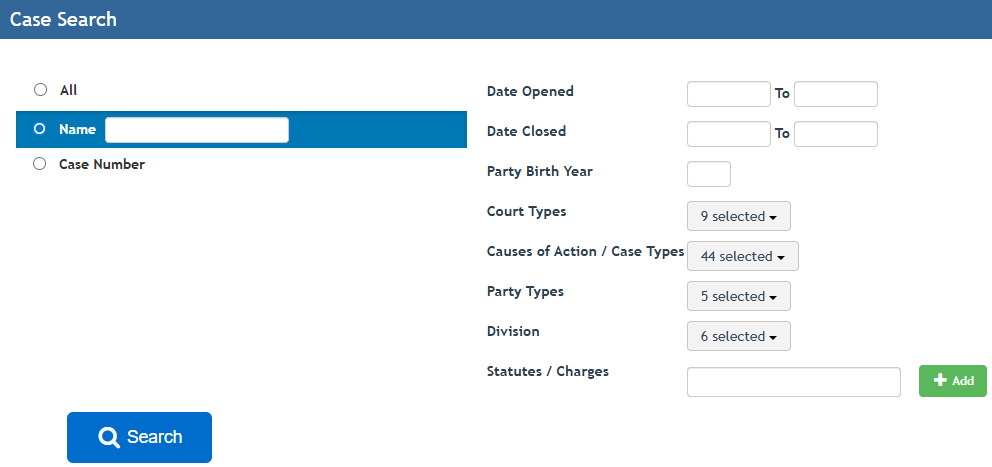
Users start by opening the official case inquiry page in a browser. This page works as the entry point for the Ohio court case search system. The interface is simple and does not require login. Users can access it from mobile or desktop. It directly connects to the county’s legal database.
Enter Name or Case Number
Search begins by typing either:
- Full name of a person or business
- Case number for exact results
Case number search gives faster and more accurate results. Name search may show multiple records if the name is common.
Choose Case Type
Users can filter results by selecting a case category:
- Civil cases
- Criminal cases
- Domestic relations
- Traffic cases
This step helps narrow down results inside the legal database navigation system. It reduces unrelated records and improves search clarity.
Review Search Results
After searching, the system shows a list of matching cases. Each record includes:
- Case number
- Party names
- Filing date
- Current status
Users can click any record to open full case details.
Check Docket Information
Docket pages show full case activity, such as:
- Court hearings
- Motions and filings
- Judge orders
- Case updates
Types of Court Records Available in Warren County
Warren County court records include several categories that cover civil, criminal, traffic, family, and probate cases. These records are stored in official county court records Ohio systems and provide structured access to public case information. Each category contains court filings, docket information, and hearing records that show full case history. Users rely on these records for accurate judicial records search and case verification across different court divisions.
Civil Case Records
Civil case records involve disputes between individuals, businesses, or organizations where no criminal charges are involved. These cases often include matters like contracts, property disputes, and financial claims. Each case is recorded in the court system and updated through filings, motions, and hearings. Civil records help users understand how disputes are resolved through the legal process and are part of case data access in Warren County.
Criminal Case Records
Criminal case records include cases filed by the state against individuals accused of breaking the law. These cases involve offenses such as theft, assault, fraud, and other violations. The records include arrest details, court hearings, trial updates, and final rulings. Criminal files are an important part of judicial records search systems because they show complete prosecution history from start to finish.
Traffic Violations
Traffic violation records include offenses related to road safety and driving laws. These cases usually involve speeding, parking violations, and license-related issues. Each violation is entered into the court system and updated after hearings or payments. These records are part of public court filings and show how traffic laws are enforced in the county.
Family Court Records
Family court records include legal matters related to domestic and family relationships such as divorce, custody, and child support. Each case is documented with updates including hearings, agreements, and court orders. These records contain sensitive docket information that reflects personal legal matters and may have limited public access depending on the case.
Probate Records
Probate records deal with estate and inheritance matters after a person’s death, including wills and asset distribution. These cases are recorded through official probate court procedures and tracked step by step. Probate records form part of long-term litigation history and help confirm legal transfer of property and estate settlements.
Court Case Information
A court docket shows the complete record of actions taken in a case. It includes filings, hearings, orders, and updates recorded by the court. Users reviewing case data in Warren County Ohio rely on docket entries to track case progress and status changes. Court docket records act as the official timeline of a case. They help users see what has happened from filing to final judgment. This format is part of standard judicial records used across Ohio courts.
What is a Court Docket?
A court docket is a structured log of everything that happens in a legal case. It includes every filing, motion, and court decision in chronological order. In a court docket Ohio system, each entry represents a legal action recorded by the court clerk.
Dockets are used for:
- Case tracking
- Legal reference
- Public record review
Case Number Meaning
Every case receives a unique case number when it is filed. This number acts as an identification code inside the court system.
It helps separate one case from another in the database.
Case numbers support:
- Fast search results
- Accurate record retrieval
- Easy reference for attorneys and public users
Parties Involved in a Case
Each docket lists the parties involved in the case. These usually include:
- Plaintiff (person or group filing the case)
- Defendant (person or group responding to the case)
In some cases, additional parties may appear depending on the legal matter. This section helps users understand who is legally connected to the dispute.
Hearing Dates and Court Rulings
Docket entries also show hearing schedules and court decisions. This includes:
- Upcoming hearing dates
- Past hearing results
- Judge rulings and orders
Public Access to Court Records in Warren County
Warren County court records are partially open to the public under Ohio public information laws. Many case details can be reviewed through official systems using a public court records search, while some sensitive information remains restricted. This balance supports judicial transparency while also protecting personal privacy. Users can view basic case data, docket entries, and hearing updates through the official Warren County Ohio Court access system.
What Court Records Are Publicly Available
Most standard court information is available for public viewing through the open records system. These records help users track case activity and legal proceedings without needing special permission. Public access mainly focuses on case history and procedural updates rather than private details.
Common publicly available records include:
- Case numbers and party names
- Filing dates and docket entries
- Hearing schedules and court actions
- Final judgments and case outcomes
What Court Records Are Restricted
Some court records are not available to the public due to privacy and legal protection rules in Ohio. These restrictions help protect sensitive personal, financial, or minor-related information. Courts limit access when disclosure could affect privacy or ongoing investigations.
Restricted information may include:
- Juvenile court records
- Sealed or expunged cases
- Sensitive family law details
- Certain personal identification data
FOIA-Style Access and Public Information Laws
Ohio follows public information principles similar to FOIA-style access, allowing citizens to request government-held records. Court systems operate under state-level open records rules rather than federal FOIA directly. This structure supports an open records system where most non-sensitive court information remains accessible.
Key points of access rules include:
- Public has right to view non-restricted court records
- Requests can be made for additional court documents
- Courts may deny access if privacy laws apply
- Certain records require formal request procedures
This system ensures fairness while maintaining legal confidentiality where required.
Privacy Rules in Ohio Courts
Ohio courts follow strict privacy standards to protect individuals involved in legal cases. These rules define what can be shared publicly and what must remain confidential. They are applied consistently across all county court systems, including Warren County.
Privacy protections focus on:
- Protecting minors involved in court cases
- Securing sensitive financial or medical information
- Limiting access to sealed court documents
- Preventing misuse of personal legal data
Criminal vs Civil Court Records
Understanding the distinction between different litigation types is the first step in navigating the legal system. In the state of Ohio, legal matters are broadly categorized into two groups: criminal and civil. While both involve the court system, they serve different purposes and follow different procedural rules. Whether you are searching for criminal court records in Ohio or looking up civil case records, knowing how these systems diverge ensures you are looking in the right place for the information you need.
The Fundamental Differences
The primary difference between these legal dispute categories lies in the parties involved and the potential outcomes. In a criminal case, the government (the state or federal authority) initiates the action. This is a matter of prosecution vs civil claims, where the state seeks to punish an individual for breaking the law to maintain public safety. In contrast, a civil case is a private dispute between two parties, where one party (the plaintiff) claims that the other party (the defendant) failed to carry out a legal duty or caused them harm. The goal in civil court is usually to obtain compensation or a specific court order rather than to impose jail time.
Examples of Litigation Types
To better understand these records, it is helpful to look at common examples of each:
- Criminal Examples: These include offenses such as theft, assault, drug possession, OVI/DUI, and more serious felonies like robbery. These records track the arrest, the charges filed by the state, and the final sentencing.
- Civil Examples: These typically involve personal injury lawsuits, breach of contract disputes, landlord-tenant issues (evictions), and family law matters like divorce or child custody. These records document the initial complaint and the eventual settlement or judgment.
Where Records are Filed in Ohio
In Ohio, the jurisdiction where a case is filed depends on the nature and severity of the case. For residents or legal professionals looking for records in the Warren County Court Ohio, there are several layers to consider. Felony criminal cases and large-value civil claims (typically over $15,000) are filed in the Warren County Court of Common Pleas. On the other hand, misdemeanor criminal offenses and small claims civil cases are usually handled by the Warren County Court (County Court) or local Municipal Courts like those in Mason or Lebanon.
Accessing Court Records
Accessing criminal court records in Ohio and civil case records has become significantly easier through online databases. Most counties, including the Warren County Court Ohio, maintain a searchable online docket through the Clerk of Courts. By searching for a specific name or case number, the public can view the history of a case, from the initial filing to the final disposition. This transparency allows individuals to perform due diligence, conduct background checks, or follow the progress of specific legal proceedings within their community.
Probate and Family Court Records in Warren County
Beyond standard civil and criminal proceedings, the legal system manages sensitive personal matters through specialized divisions. In Ohio, these are primarily categorized into Probate and Domestic Relations (Family) courts. Understanding how to navigate family court records Ohio and the probate court Warren County is essential for those dealing with legacy planning, domestic transitions, or genealogical research.
Probate Court and Inheritance Cases
The probate court Warren County handles the legal process of transferring property after someone passes away, as well as protective legal actions for the living. This division is the primary source for inheritance cases and ensuring the validity of legal documents.
Common records found in this division include:
- Wills and Estates: Documentation regarding the distribution of assets and estate settlement records.
- Guardianships: Records for court-appointed oversight of minors or incompetent adults.
- Marriage Licenses: Historical and current records of marriage applications within the county.
- Name Changes: Legal filings for individuals seeking to change their legal names.
Navigating Family Court and Custody Hearings
Family law matters, officially handled by the Domestic Relations division, focus on the legal bonds and disputes between family members. When searching for family court records Ohio, you will find detailed documentation regarding the restructuring of a family unit.
Key aspects of these records often involve:
- Divorce and Dissolution: Legal filings that end a marriage and outline the division of marital property.
- Custody Hearings: Detailed records regarding the legal and residential arrangements made for children to ensure their best interests.
- Child Support: Orders and payment history records maintained by the court.
- Domestic Violence Protection Orders: Legal filings aimed at providing safety for family members.
How to Access Records via the Case Search System
The Warren County Clerk of Courts maintains a robust case search system that allows the public to access many of these records online. While many documents are public, some sensitive information—especially regarding minors in custody hearings—may be restricted.
To access these records, you can follow these steps:
- Online Portal: Use the Warren County official website’s “Case Inquiry” tool to search by name, case number, or date filed.
- In-Person Requests: Visit the Probate or Domestic Relations offices in Lebanon, Ohio, for certified copies of estate settlement records or divorce decrees.
- Redaction Policy: Be aware that personal identifiers like Social Security numbers and bank account details are typically redacted from public view to protect privacy.
By utilizing these resources, individuals can effectively track the status of ongoing litigation or retrieve historical family and estate documentation.
How Often Court Records Are Updated
Court records in Warren County are updated through a structured court records database that reflects new filings, hearings, and case actions. The update timing depends on the court workflow and the internal case update system used for record entry. Most updates appear after court staff process daily activity, while some entries may take longer due to verification steps. This system supports accurate judicial database updates and helps maintain reliable public case information.
Update Frequency of Court Records
Court records are updated based on daily court operations rather than a fixed schedule. New filings are usually entered during working hours, and hearing results are added after court sessions are completed. Some updates appear the same day, while others may take longer depending on case volume and processing time. Older records are also updated when corrections or additional filings are made. This ensures the system reflects the most recent court activity.
Real-Time vs Delayed Data
Some court information appears quickly after it is entered into the system, while other records may take time to show. Real-time updates usually include basic filings and initial docket entries processed by court staff. Delays often occur when records require review, approval, or system synchronization before being published. During high workload periods, updates may be processed in batches rather than instantly. This balance helps maintain both speed and accuracy in public record access.
Data Accuracy and Record Maintenance
Court systems focus on accuracy, so records are checked before final publication. Clerks verify information to reduce errors and maintain legal reliability. Updates go through internal review steps before they become part of the official record. This process helps keep court records database information consistent and trustworthy for public use. Regular maintenance also ensures older records remain accurate and properly linked within the system.
Location
The main court system in Warren County operates from multiple justice buildings in Lebanon, Ohio. These locations handle civil, criminal, probate, and administrative court services under the Warren County Court Ohio system.
Primary courthouse addresses include:
- 500 Justice Drive, Lebanon, OH 45036 (Common Pleas Court)
- 880 Memorial Drive, Lebanon, OH 45036 (County Court & Jail)
- 520 Justice Drive, Lebanon, OH 45036 (Court services and related offices)
Official Contact Numbers
Users can reach different court offices directly depending on case type or service needs.
- Clerk of Courts (Common Pleas): 513-695-1120
- County Court Division: 513-695-1370
- General County Information: 513-695-1000
Office Hours
Court offices follow standard government working schedules, but hours may vary slightly by department.
- Monday to Friday: 8:00 AM – 4:00 PM / 4:30 PM (most court offices)
- Some county departments operate until 5:00 PM
- Closed on weekends and official public holidays
Frequently Asked Questions
This section answers common case search help questions related to Warren County court records. It explains how users can find cases, what information is public, and which records may be restricted under Ohio court rules. Each answer is written to help users understand the system clearly.
How do I find Warren County court records?
Warren County court records can be found through the official online case search system provided by the county court. Users can enter a person’s name or a case number to view available records. The system displays docket entries, case status, and basic case details. It covers civil, criminal, and traffic cases depending on availability. Some older or sealed records may not appear in public search results. This system is the main tool for checking public court information.
Are Ohio court records public?
Most Ohio court records are public under state open records laws. This means users can view basic case details such as filings, hearings, and final judgments. These records support transparency in the court system and allow public review of legal actions. However, not all details are fully open, especially in sensitive cases. Certain personal or confidential information may be removed or hidden. The system balances public access with privacy protection rules.
Can I search cases by name?
Yes, users can search Warren County court records by entering a full name in the official system. The search may return multiple results if the name is common or used in several cases. Each result will show basic case details like case number, party names, and status. For more accurate results, a case number search is recommended when available. Name searches are useful when case numbers are unknown. This method is widely used for public record checks.
How accurate are online court records?
Online court records are generally accurate because they come directly from official court filings. The data is entered by court staff after legal actions take place. However, some updates may be delayed due to processing time or verification steps. This means newly filed or recently updated cases may not appear immediately. Despite small delays, the system remains a reliable source of legal information. It is regularly maintained to improve accuracy and consistency.
What cases are restricted?
Some court records are restricted under Ohio privacy and legal protection rules. These include juvenile cases, sealed records, and expunged cases that are not open to the public. Family law cases may also have limited information depending on sensitivity. Restricted records are protected to maintain privacy and legal compliance. Users may only see basic information or no details at all in such cases. These rules ensure a balance between public access and personal privacy.