
Warren County Court Docket serves as an important source for tracking court activity and scheduled legal proceedings. It contains docket information related to active cases, including hearing dates, trial settings, court appearances, and judicial actions. Attorneys use the court schedule to prepare for upcoming matters, while litigants review case calendar entries to monitor progress in their cases. Public users may check scheduled hearings and court proceedings that are open for public review. By organizing court events in one place, the docket helps improve transparency and keeps case information easy to follow.
Warren County Court Docket and court calendar records help courts manage daily operations and maintain an organized hearing schedule. Each docket entry reflects activity that occurs throughout a case, creating a timeline of filings, hearings, motions, and court orders. The case calendar allows parties to identify future court dates and understand what events are scheduled next. Accurate docket information reduces confusion and helps court participants prepare for appearances. Whether reviewing a trial calendar, checking hearing dates, or following court proceedings, the docket remains a valuable resource for staying informed about ongoing legal matters in Warren County.
How to Search the Warren County Court Docket
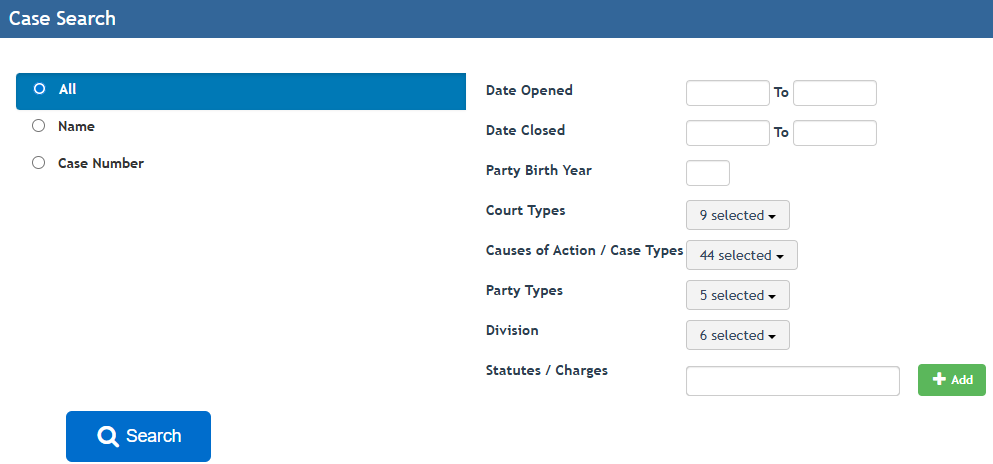
Warren County Court Docket Search allows users to find court cases, hearing schedules, and legal records using case number, party name, attorney name, hearing date, or courtroom filters. It works as a public legal database for case tracking and court records lookup.
Official Court Docket Search URL: https://clerkofcourts.warrencountyohio.gov/CommonPleasDiv/CaseInquiry/Index
Search by Case Number
Case number search is the most accurate method for court docket lookup.
Steps:
- Open official case search tool
- Select “Case Number” option
- Enter full case number
- Click search
Results show:
- Case status
- Filing history
- Hearing schedule
- Court updates
Search by Party Name
Party name search helps when case number is unknown.
Steps:
- Select “Name” option
- Enter last name or full name
- Review matching results
- Open correct case record
This method is widely used for public records search and court case lookup. Common names may return multiple results, so careful selection is required.
Search by Attorney
Attorney search helps locate cases linked to a lawyer.
Steps:
- Enter attorney name
- Submit search
- Review case list
Search by Hearing Date
Hearing date search is used to check court schedules.
Steps:
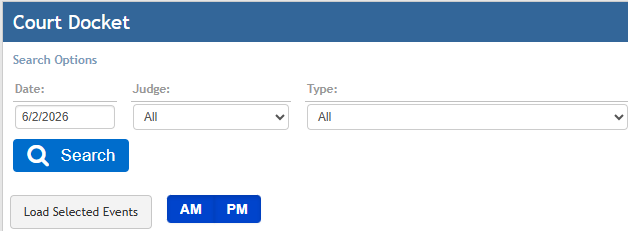
- Select date range (From – To)
- Run search
- View results
This shows:
- Hearing times
- Case listings
- Court schedule
Search by Courtroom
Courtroom search shows all cases scheduled in a specific courtroom.
Steps:
- Select courtroom or division
- Choose date if needed
- Run search
Results include:
- Daily docket list
- Assigned judge
- Hearing details
- Case schedule
Information Available Through the Court Docket and Calendar
Warren County Court Docket and Calendar provide structured details about hearing dates, trial schedules, courtroom assignments, judge information, and case status updates. It helps users review scheduled proceedings, court sessions, and upcoming court events in one system. This system works as a public records search tool that supports case tracking, hearing notices, and daily docket review for different legal matters. Warren Court Services may assist users in accessing court-related information and records more efficiently through available public resources and case management tools.
Hearing Dates
Hearing dates show when a case is scheduled for court appearance and form a key part of the court docket lookup system. These dates help users confirm when legal matters will be reviewed in court and allow them to track case movement. Each hearing date is recorded in the court system and updated regularly based on changes in scheduling. Users can view both upcoming and past hearing entries depending on case status. This section plays a major role in monitoring scheduled proceedings and court activity. It also helps users stay informed about important appearance dates related to their cases.
- Upcoming hearing dates
- Past hearing records
- Appearance schedules
- Date-based docket entries
Trial Schedules
Trial schedules provide structured information about when a case moves into full trial proceedings within the court system. These schedules are part of the daily docket and may change depending on court workload, motions, or judge availability. Trial scheduling helps organize cases based on priority and legal requirements. Users can review trial timelines to understand how long a case may remain active in court. This section is useful for tracking court sessions and understanding how cases progress through different legal stages. It also supports better visibility of ongoing legal activity.
- Trial start dates
- Estimated trial duration
- Case priority listings
- Assigned court sessions
Courtroom Assignments
Courtroom assignments show the exact courtroom where each hearing or trial will take place. Every case is assigned a specific courtroom or division based on case type and judge allocation. This information helps users attend the correct location and avoid confusion during scheduled proceedings. Courtroom details are updated regularly in the system as cases are rescheduled or reassigned. It also supports better organization of daily court activity and ensures smooth case handling. This section is essential for confirming correct courtroom assignments before attending hearings.
- Courtroom number
- Assigned division
- Case location details
- Daily courtroom listings
Judge Information
Judge information displays the assigned judicial officer responsible for handling each case. This helps users understand which judge is overseeing specific hearings or trial proceedings. Each case is linked to a judge based on court division and case type. The system updates judge assignments if cases are transferred or reassigned. This section improves transparency in the court system and supports better tracking of legal responsibility. It also helps users connect case progress with the correct judicial authority within the court structure.
- Assigned judge name
- Court division details
- Judge-linked case list
- Hearing responsibility updates
Case Status Updates
Case status updates show the current stage of a legal case within the court system. These updates may include active, pending, or closed status depending on case progress. Users can track changes in filings, motions, and court decisions through this section. The system updates status information regularly to reflect real-time changes in case tracking. It also helps users understand whether a case is still active or has reached completion. This section is important for monitoring ongoing legal activity and reviewing case updates.
- Active cases
- Pending motions
- Closed cases
- Updated filings
Upcoming Court Proceedings
Upcoming court proceedings list all future hearings, trials, and scheduled court events. This section helps users stay informed about upcoming legal activities and review future court sessions. It includes updated docket entries that may change based on court decisions or scheduling updates. Users can check multiple case events in one view, making it easier to follow legal timelines. This section is important for tracking scheduled proceedings and understanding future court activity. It also supports planning for attendance and case monitoring.
- Future hearing dates
- Scheduled court sessions
- Updated docket entries
- Hearing notices
How to Find Hearing Dates and Court Schedules
Hearing dates and court schedules in Warren County can be checked through the official court docket system by selecting date filters, reviewing case calendars, and monitoring courtroom listings. The system shows scheduled hearings, appearance dates, and updated court calendar information for public use.
Official Court Schedule URL: https://clerkofcourts.warrencountyohio.gov/CommonPleasDiv/CaseInquiry/Index
This platform provides real-time court schedule, hearing updates, and case calendar details.
Finding Hearing Dates Online
Hearing dates can be found by using the official docket search system. Users can search by case number or party name, then filter results to view scheduled hearings.
Steps:
- Open the official case search page
- Enter case number or party name
- Check “Hearing Date” or docket entries
- Review listed appearance dates
The system shows scheduled hearings, upcoming court events, and past hearing records.
Monitoring Schedule Changes
Court schedules may change due to judge availability, case delays, or legal motions. The docket system updates these changes regularly.
Users can monitor updates by:
- Checking case records frequently
- Reviewing docket entries for new updates
- Tracking changes in hearing status
- Refreshing search results for latest changes
Confirming Courtroom Assignments
Each hearing is assigned to a specific courtroom or division. This information is important for attending the correct location.
Steps:
- Open case details after search
- Check assigned courtroom or judge
- Note courtroom number or division
- Confirm location before hearing date
Checking Updated Case Calendars
The case calendar shows all scheduled hearings for selected dates. It works as a daily or weekly schedule view.
Users can:
- Select a date range
- View all listed hearings
- Check case listings for that day
- Review courtroom schedule details
Types of Cases Listed on the Warren County Court Docket
Warren County Court Docket includes different types of legal cases such as civil, criminal, traffic, probate, family, and juvenile matters. Each category represents specific legal disputes, court proceedings, and hearing schedules recorded in the official system. This system works as a structured case listing platform where users can review court cases, legal disputes, and updated docket information across different court divisions. It helps in tracking case movement, hearing schedules, and court activity in one place.
Civil Cases
Civil cases involve legal disputes between individuals, businesses, or organizations where no criminal charges are involved. These cases usually focus on financial claims, property issues, contract disputes, or personal injury matters. Civil matters form a major portion of court proceedings and often require multiple hearings depending on case complexity and evidence review. These cases appear in the court docket when a dispute is officially filed and remain active until resolution or settlement. Civil cases are commonly tracked through the hearing schedule and updated regularly as new filings or motions are added. They represent non-criminal legal conflicts that require court intervention for resolution.
Criminal Cases
Criminal cases involve violations of state law where the government prosecutes individuals accused of offenses. These cases include serious legal matters such as felony and misdemeanor charges and follow structured court proceedings including arrest, hearings, trial, and sentencing. Criminal cases are closely monitored due to their legal impact and frequent updates in the system. These records are updated regularly in the docket system as cases move through different stages. Criminal matters often include theft, assault, drug-related offenses, and other violations of law. Each case is listed with scheduled hearings and court actions that reflect ongoing legal processes.
Traffic Cases
Traffic cases involve violations of road safety laws and driving regulations. These cases are generally less complex but still recorded in the official court docket system. Most traffic violations are resolved through fines, warnings, or scheduled court hearings depending on the severity of the offense. Traffic-related court proceedings include speeding violations, driving without a valid license, traffic signal violations, and accident-related charges. These cases are included in daily docket updates and appear in hearing schedules when court appearances are required.
Probate Matters
Probate matters involve legal processes related to wills, estates, and property distribution after a person’s death. These cases ensure proper handling of assets and resolution of inheritance-related disputes under court supervision. Probate proceedings often require documentation review and may remain active for extended periods depending on estate complexity. These cases include will validation, estate distribution, guardianship appointments, and asset-related disputes. Probate matters are recorded in the docket system and updated as the court processes each stage of the estate administration.
Family and Domestic Relations Cases
Family and domestic relations cases involve personal legal matters such as divorce, child custody, child support, and domestic disputes. These cases often require multiple hearings as courts review agreements, evidence, and family arrangements. They are sensitive in nature and handled with careful legal consideration. These cases are frequently updated in the hearing schedule due to ongoing changes in custody arrangements or court decisions. Family cases reflect legal matters that directly affect household relationships and responsibilities, making them an important part of the docket system.
Juvenile Cases
Juvenile cases involve individuals under the age of 18 and are handled separately from adult criminal cases. These matters focus on rehabilitation, correction, and legal protection rather than punishment. Juvenile proceedings are often confidential but still recorded in the court docket for legal processing. These cases include juvenile offenses, rehabilitation hearings, custody-related matters, and supervision cases. Juvenile matters are handled under specialized court proceedings designed to address youth-related legal issues and ensure appropriate legal support and monitoring.
Decoding the Warren County Court Calendar
Warren County Court Calendar shows upcoming hearings, trial settings, motion hearings, court sessions, and judge schedules in a structured format. It helps users view scheduled court events, hearing timetables, and courtroom activity in one system. The court calendar works as a structured system for managing court events, hearing schedules, and judicial calendars across different court divisions. It provides a clear view of how cases are scheduled and helps users track legal activity in real time.
What the Court Calendar Contains
The Warren County Court Calendar includes detailed listings of court activity for specific dates and time periods. It organizes all scheduled legal matters into a structured format so users can easily review upcoming and active cases. Each entry reflects court activity such as hearings, motions, or trials scheduled by the court system. This helps users follow the overall courtroom schedule and understand how cases are distributed across different sessions. The calendar also reflects changes in scheduling when cases are updated or rescheduled by the court. It provides a reliable source of information for tracking case movement and reviewing daily or weekly court events.
Upcoming Hearings
Upcoming hearings represent future court appearances scheduled for active cases. These hearings are listed in advance so involved parties can prepare for their court sessions. The system updates hearing information regularly to reflect any changes made by the court. Users can review hearing dates, scheduled appearances, and updated hearing notices through the calendar. This section plays an important role in tracking hearing schedules and staying informed about future court activity.
Trial Settings
Trial settings show scheduled dates for cases entering the trial phase. These settings are part of the structured trial calendar and help organize how cases proceed through the court system. Each trial is assigned a specific date and courtroom based on court planning and availability.
Trial settings help define the timeline of a case, including when proceedings will begin and how long they may continue. This section reflects the organized structure of court scheduling and case progression.
Motion Hearings
Motion hearings are scheduled court sessions where legal requests are reviewed before final case decisions. These hearings allow parties to request rulings on specific legal issues during an ongoing case. They are recorded separately in the court calendar and updated as needed. Motion hearings include filing dates, scheduled hearing times, and court decisions on motions. These entries are important for tracking ongoing court events and understanding case development during litigation.
Court Sessions
Court sessions represent daily or weekly court activity where multiple cases are heard within a scheduled time frame. Each session includes different types of hearings such as trials, motions, or status updates. These sessions are assigned to specific courtrooms and judges. Court sessions help organize the hearing timetable and provide a structured view of active court work. They ensure that all scheduled appearances are managed efficiently within the judicial system.
Judge Schedules
Judge schedules display assigned duties of judges across different court sessions and cases. Each judge is responsible for specific hearings and courtroom activities listed in the judicial calendar. This helps distribute cases evenly across the court system. Judge schedules include courtroom assignments, hearing responsibilities, and daily case management details. This ensures proper coordination of scheduled appearances and supports organized court operations.
Daily Docket vs Trial Calendar
The daily docket and trial calendar both provide court scheduling details but serve different purposes. The daily docket shows same-day hearings and court activity, while the trial calendar focuses on future trial dates and planned court proceedings. Both help track daily proceedings, scheduled trials, and Common Pleas Court agenda updates in the court system.
Daily Court Docket
The daily court docket lists all cases scheduled for a specific day in the court system. It includes hearings, motions, and appearances that take place on that date. This gives users a clear view of daily proceedings inside the courtroom and helps identify which cases are being heard during the day. It also shows timing and sequence of court sessions. The daily docket is updated throughout the day based on court activity. Cases may be added, removed, or rescheduled depending on court decisions. It is mainly used for immediate tracking of the court agenda and live courtroom updates.
- Shows same-day court activity
- Includes hearings, motions, and appearances
- Updated in real time
Trial Calendar
The trial calendar focuses on future court planning instead of daily activity. It lists cases that are scheduled for trial and helps organize long-term court operations. This section is important for tracking trial settings and preparing for upcoming legal proceedings.
The trial calendar includes structured details such as scheduled trial dates, assigned courtrooms, and case priority listings. It is commonly used by attorneys and court staff to prepare for upcoming trials and manage workload efficiently. It gives a clear view of scheduled trials and future case movement.
- Shows future trial dates
- Includes courtroom assignments
- Used for long-term case planning
Why Both Calendars Matter
Both calendars work together to provide a complete view of court scheduling. The daily docket focuses on what is happening today, while the trial calendar shows what is planned for upcoming dates. This combination helps users understand both immediate and future court activity. Together, they improve tracking of courtroom calendar activity, case progress, and judicial scheduling. They ensure users can follow both current hearings and future trial planning in a structured system.
Court Rules and Scheduling Procedures
Court rules and scheduling procedures manage how hearings are set, changed, postponed, or cancelled within the court system. These rules help control court proceedings, hearing schedules, and judicial administration in an organized and lawful manner. The system ensures that all scheduling orders, court notices, and hearing changes follow proper legal procedures and are communicated to involved parties.
Continuances
A continuance is a legal request to delay or postpone a scheduled court hearing. Courts allow continuances when valid reasons are provided, such as lack of preparation time, missing evidence, or attorney availability. These requests are reviewed by the judge before approval. Continuances directly affect the hearing schedule, as they shift planned court dates to a later time. Once approved, a new date is assigned and updated in the court system. This process ensures fairness in court proceedings and gives all parties adequate time to prepare their case.
Rescheduled Hearings
Rescheduled hearings occur when a court changes the original hearing date to a new one. This can happen due to judicial availability, case priority changes, or administrative adjustments. Rescheduling helps maintain balance in court workload and ensures cases are heard properly.
These changes are recorded in updated scheduling orders and reflected in the official docket system. Parties involved are notified so they can adjust their preparation accordingly. Rescheduled hearings are a normal part of court management and help maintain efficient judicial operations.
Court Cancellations
Court cancellations happen when a scheduled hearing is removed from the calendar. This may occur due to settlements, case dismissals, or administrative decisions. Once cancelled, the hearing no longer appears in the active docket list. Cancellations are communicated through official court notices and updated in the system. This ensures all parties are aware of changes and prevents unnecessary court appearances. It also helps streamline court proceedings by removing resolved or inactive cases from the schedule.
Judicial Scheduling Authority
Judges have full authority over court scheduling decisions within their assigned cases. This includes setting hearing dates, approving continuances, and managing courtroom time. Judicial authority ensures that all cases are handled fairly and efficiently. This authority plays a key role in managing hearing schedule adjustments and maintaining order in the court system. Judges coordinate with court staff to organize dockets, balance workloads, and ensure proper case flow. This structure supports effective judicial administration across all court divisions.
Notice Requirements
Notice requirements ensure that all involved parties are informed about court schedule changes. This includes new hearing dates, cancellations, or rescheduled proceedings. Proper notice is required to maintain fairness and legal transparency. Notices are usually delivered through official court systems, mail, or electronic updates. These updates are part of formal court notices and ensure that all parties stay informed about hearing changes. This process helps maintain organized communication within the legal system.
Location and Contact Information
Warren County Court records, case filings, hearing schedules, and docket information are maintained through the Warren County court system and the Clerk of Courts. Individuals seeking case details, court records, or assistance with docket searches can contact the appropriate court office during regular business hours. The information below provides key contact details for court-related inquiries and public assistance.
Court Address
The Warren County Clerk of Courts is located at:
500 Justice Drive
Lebanon, OH 45036
Phone Number
For court records, case information, and docket inquiries, contact the Clerk of Courts at:
(513) 695-1120
Office Hours
The Clerk of Courts office operates during the following hours:
Monday – Friday: 8:00 AM – 4:30 PM
Saturday – Sunday: Closed
Official Website
The official Warren County Clerk of Courts website is: https://clerkofcourts.warrencountyohio.gov
Frequently Asked Questions
Below are detailed FAQs about the Warren County Court Docket and Warren County Court Calendar, including hearing schedules, case tracking, and legal proceedings information.
How do I find a hearing date in Warren County Court?
A hearing date in Warren County Court can be found by using the official court docket search system. Users can search using a case number or party name to locate the exact case record. Once the case is opened, the system displays the court appearance date, time, and assigned courtroom information. It also shows updated docket entries that reflect any changes made by the court. This helps users track ongoing legal proceedings and stay informed about scheduled hearings. The system is updated regularly, so users can confirm the latest hearing schedule before attending court.
Is the Warren County Court calendar public?
Yes, the Warren County Court calendar is generally public and available through the official court system. It provides access to scheduled hearings, trial listings, and daily court activity for different case types. Users can view the court schedule to check upcoming hearings and court sessions. The calendar helps attorneys, parties, and the public understand when cases are set for hearing. However, some restricted cases such as sealed or juvenile matters may not appear in the public case calendar. This ensures privacy while still maintaining transparency for most court proceedings.
What information appears on a court docket?
A court docket contains detailed case information that helps users follow case progress in the legal system. It includes case number, party names, filing history, motions, and hearing dates. It also shows case status updates such as active, pending, or closed cases. The docket works as a public docket record that tracks all major legal filings and court actions. Users can also view judge assignments and scheduled updates related to hearings. This makes it an important tool for monitoring ongoing legal proceedings and court activity.
Can court hearing dates change?
Yes, court hearing dates can change depending on court decisions, judge availability, or legal requests from involved parties. When changes occur, the system updates the hearing schedule and reflects the new date in the official docket. These updates may include rescheduled hearings, delays, or cancellations based on court conditions. Users are advised to check case records regularly to stay updated on changes. This process is a normal part of court scheduling and helps maintain accurate tracking of court proceedings. Updated information ensures all parties are informed before attending court.
What is the difference between a docket and a court calendar?
A court docket and a court calendar serve different but connected purposes in the court system. A docket provides detailed case-level information such as filings, motions, and hearing updates for individual cases. A court calendar focuses on scheduled court events such as hearings, trial dates, and courtroom assignments. The docket is used for case tracking, while the calendar shows overall court scheduling activity. Both tools help users understand court proceedings, manage timelines, and track legal case progress. Together, they provide a complete view of court operations and scheduling.