Warren County Municipal Court Ohio serves as an important part of the local justice system, handling a wide range of legal matters for residents, businesses, and visitors. The court hears traffic violations, misdemeanor criminal cases, civil disputes, small claims actions, and landlord-tenant matters. Its purpose is to provide fair and timely resolution of cases within its jurisdiction. Through court hearings, filings, and legal proceedings, the court helps maintain public order and protects the legal rights of all parties involved. Many people interact with the court each year for case filings, court appearances, and public record searches.
Warren County Municipal Court plays a significant role in supporting the administration of justice across Warren County, Ohio. The court works closely with law enforcement agencies, attorneys, judges, and court staff to process cases efficiently and uphold Ohio law. People may use the court for traffic tickets, eviction proceedings, civil lawsuits, warrant information, and other legal matters. This page covers key details about court records, case searches, filing procedures, hearings, and court services. Readers can find helpful information about how the court operates and the types of cases handled within the local court system.
How to Search Warren County Municipal Court Cases
Warren County municipal cases can be searched online through the court’s official record search system. A case search allows users to find public case information, review docket entries, check hearing dates, and track the status of traffic, civil, and criminal matters. Warren County Court handles approximately 8,000 criminal, traffic, and civil cases each year, making online case lookup an important resource for the public.
Official Warren County Court Case Search
Online Record Search: https://www.warrencountyohio.gov/CountyCourt
The Online Record Search feature is available through the court’s official website and provides public access to court records and docket information.
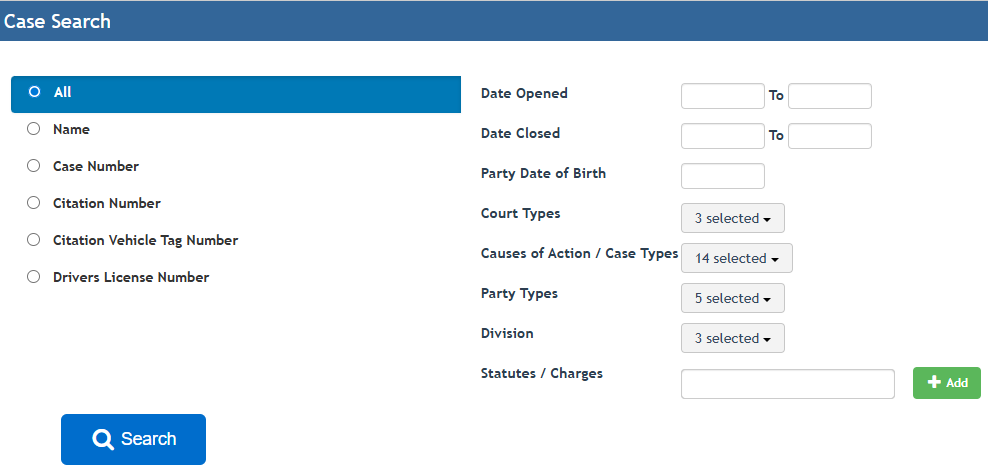
Searching by Case Number
A case number search is the most accurate method for locating court records.
Steps:
- Open the official Warren County Court website.
- Select Online Record Search.
- Enter the complete case number.
- Verify the case year and case type if requested.
- Click the search button.
- Review the matching record.
A successful search may display:
- Case status
- Filing date
- Court schedule
- Judge assignment
- Docket entries
- Case disposition
Using the full case number helps reduce errors and produces faster results.
Searching by Party Name
A party name search works well when the case number is unavailable.
Steps:
- Access the court’s case lookup system.
- Choose the name search option.
- Enter the person’s first and last name.
- Select the correct result from the list.
- Open the case file to view available records.
Searching Traffic Cases
Traffic citations are commonly available through the court records search system.
Steps:
- Visit the court’s online search portal.
- Enter the ticket number, citation number, or case number.
- Submit the search request.
- Review the traffic case details.
Users may find:
- Citation information
- Violation details
- Court appearance dates
- Payment status
- Case outcomes
Traffic case searches are often easier when the citation number is available.
Searching Civil and Criminal Cases
The court’s public records system allows searches for many civil and criminal matters within its jurisdiction.
Civil case search steps:
- Open the case search portal.
- Select Civil Cases.
- Enter a case number or party name.
- Review the case summary and docket.
Criminal case search steps:
- Open the search system.
- Select Criminal Cases.
- Enter the defendant’s name or case number.
- View court events, filings, and case status.
Available information may include:
- Court hearings
- Charges filed
- Motions
- Judgments
- Case history
- Docket activity
Understanding Search Results
After completing a docket search, users may see several sections within the case record.
| Record Section | Information Available |
|---|---|
| Case Summary | Basic case details |
| Parties | Plaintiff, defendant, or involved parties |
| Docket Entries | Chronological case activity |
| Hearings | Scheduled court dates |
| Charges | Criminal or traffic allegations |
| Disposition | Final case outcome |
Types of Cases Handled by Warren County Municipal Court
The Warren County Municipal Court handles a wide range of municipal court cases that affect daily life across the county. These matters include traffic violations, misdemeanor offenses, civil disputes, eviction actions, and ordinance violations. The court processes Warren County municipal cases under Ohio law and provides a local forum for resolving legal issues in an organized manner.
Traffic Cases
Traffic cases are among the most frequent matters handled by the court. These cases involve roadway violations such as speeding tickets, improper driving behavior, and other citations issued by law enforcement. Drivers must respond through payment, hearings, or scheduled court appearances depending on the charge. The court reviews each case and applies penalties based on Ohio traffic laws and regulations.
Misdemeanor Criminal Cases
The court hears criminal complaints involving misdemeanor-level offenses. These are less serious criminal acts but still carry legal consequences such as fines, probation, or short-term jail sentences. Law enforcement files these charges after arrest or investigation, and the court manages all stages including hearings, trials, and sentencing decisions.
Small Claims Cases
Small claims cases involve lower-value civil claims where individuals or businesses seek monetary compensation. These cases follow a simplified process designed for faster resolution without complex procedures. Many parties represent themselves in these matters, and the court issues judgments based on submitted evidence and testimony.
Landlord-Tenant and Eviction Matters
The court also handles eviction actions and disputes between landlords and tenants involving rental agreements. These cases often arise from unpaid rent, lease violations, or disagreements over property use. The court reviews both sides and determines outcomes related to possession, damages, or lease enforcement.
Civil Lawsuits
Civil lawsuits involve court disputes between individuals, businesses, or organizations seeking financial recovery or legal remedies. These cases do not include criminal charges but focus on resolving disagreements under Ohio civil law. The court hears matters that fall within its jurisdictional limits and issues rulings based on evidence and legal arguments.
Ordinance Violation Cases
The court processes violations of local laws known as city code violations or municipal ordinances. These cases involve rules established by local governments to maintain safety and order. Common violations include property maintenance issues, zoning problems, noise complaints, and other community regulation breaches. Through these categories of cases, the court manages a full range of municipal court cases that help maintain legal order and provide structured resolution for disputes across Warren County.
Jurisdiction of the Warren County Municipal Court
The Warren County Municipal Court handles a wide range of legal matters within its designated service area. Its municipal jurisdiction includes criminal offenses, traffic violations, civil disputes, small claims cases, and local ordinance enforcement. The court serves residents, businesses, government agencies, and law enforcement departments throughout the communities under its authority. By resolving these cases at the local level, the court helps maintain an efficient and accessible judicial process.
Criminal Jurisdiction
The court has authority over many misdemeanor cases that occur within its jurisdiction. These cases involve criminal offenses that are less serious than felonies but still carry penalties such as fines, probation, community service, or jail time. The court conducts arraignments, hearings, trials, and sentencing proceedings for qualifying offenses. Felony matters often begin in municipal court before being transferred to a higher court for further action.
Common criminal offenses handled by the court include:
- Disorderly conduct
- Petty theft
- Criminal trespass
- Simple assault
- Drug-related misdemeanor offenses
- Domestic violence misdemeanors
Traffic Jurisdiction
Traffic cases represent a large portion of the court’s workload. The court hears violations committed on roads and highways located within its jurisdictional boundaries. These cases help enforce traffic laws and promote public safety throughout Warren County and surrounding municipalities. Drivers may be required to appear in court, pay fines, or complete other court-ordered requirements depending on the violation.
Traffic matters commonly include:
- Speeding violations
- Reckless driving
- Driving under suspension
- Failure to obey traffic signals
- Registration violations
- License-related offenses
Civil Jurisdiction
The court hears various civil disputes involving individuals, businesses, landlords, tenants, and organizations. Civil cases focus on disagreements between parties where one side seeks monetary compensation or another legal remedy. These matters do not involve criminal charges and are typically resolved through hearings, settlements, or court judgments. The court can hear cases that fall within the monetary limits established under Ohio law.
Examples of civil matters include:
- Contract disputes
- Property damage claims
- Debt collection cases
- Landlord-tenant disputes
- Consumer complaints
- Personal injury claims within jurisdictional limits
Small Claims Jurisdiction
The Small Claims Division provides a simpler and less formal process for resolving lower-value legal claims. This division helps people pursue financial recovery without the complexity often associated with larger civil cases. Many parties choose small claims court for disputes involving relatively modest amounts of money. The process is structured to make court proceedings more accessible for self-represented litigants.
Small claims cases often involve:
- Unpaid loans
- Security deposit disputes
- Property damage reimbursement
- Service agreement disputes
- Consumer-related claims
- Minor contract disagreements
Local Ordinance Violations
The court has jurisdiction over many local ordinance violations adopted by cities, villages, and townships within its service area. These cases involve violations of municipal regulations that help maintain public order, safety, and community standards. Local governments rely on the court to enforce these rules and address noncompliance through legal proceedings. Penalties may include fines, corrective actions, or other court-ordered remedies.
Common city code violations include:
- Property maintenance violations
- Housing code violations
- Zoning violations
- Animal control offenses
- Noise ordinance violations
- Sign and permit violations
Through its authority over misdemeanor cases, traffic matters, civil disputes, small claims actions, and local ordinance violations, the Warren County Municipal Court, including family court functions, plays an important role in resolving legal issues and supporting the administration of justice within the local community.
How Cases Move Through the Warren County Municipal Court
The Warren County Municipal Court follows a structured legal process for all court proceedings. Each case moves through defined stages from filing to final resolution. These steps help manage court hearings, maintain order in the legal process, and ensure that each matter receives proper judicial review under Ohio law.
Filing a Case
A case begins when a complaint, citation, or legal claim is submitted to the court. Law enforcement, attorneys, or private parties may file cases depending on the situation. Once filed, the court assigns a case number that becomes the primary reference for all future activity. The filing stage establishes the foundation of the legal process. It also records basic case details such as parties involved, type of charge, and jurisdiction. Without proper filing, no court proceedings can move forward.
Initial Review and Scheduling
After filing, the court performs an initial review of the case. This step confirms that all required documents are complete and meet legal standards. Once verified, the court schedules hearings and notifies involved parties. During this stage, the hearing schedule is set based on court availability and case type. Notices are sent to defendants, plaintiffs, or attorneys, ensuring all parties are aware of upcoming dates.
Court Appearances and Hearings
Court appearances are a key part of the process. Parties attend court hearings where arguments, evidence, and statements are presented before a judge. These hearings may include arraignments, pretrial conferences, motion hearings, or trials. Each appearance follows formal courtroom procedures. The judge reviews evidence, listens to both sides, and applies relevant Ohio law. Failure to appear may result in penalties or default judgments.
Judicial Decisions
After reviewing all evidence and testimony, the judge issues a decision through judicial review. This decision may resolve specific motions or determine liability in the case. Judges rely on statutes, legal arguments, and case facts to reach fair outcomes. Judicial decisions may be issued immediately after a hearing or scheduled for a later date. These rulings guide the next stage of the case.
Judgments and Case Resolution
A judgment represents the final decision in many cases. This step marks the official case resolution, where the court determines responsibility, penalties, or financial awards.
Common outcomes include:
- Dismissal of charges or claims
- Monetary judgments in civil cases
- Fines or penalties in traffic cases
- Sentencing in misdemeanor cases
- Eviction orders in landlord-tenant matters
Post-Judgment Actions
After a judgment, additional actions may occur depending on the case outcome. These steps help enforce or modify the court’s decision through continued legal procedures.
Post-judgment actions may include:
- Payment plans for fines or fees
- Appeals filed by either party
- Enforcement of civil judgments
- License suspensions in traffic cases
- Collection actions or compliance monitoring
Traffic Violations and Municipal Court Proceedings
Traffic violations are commonly handled by the Warren County Municipal Court through structured legal processes under Ohio law. These cases involve traffic citations, speeding tickets, and other moving violations issued by law enforcement. The court reviews each case through formal traffic court Ohio procedures that include hearings, penalties, and final resolutions. Drivers must respond within set deadlines to avoid further legal consequences.
Common Traffic Offenses
The court processes a wide range of roadway violations that occur within its jurisdiction. These offenses are considered traffic violations and may vary from minor infractions to more serious driving offenses. Law enforcement officers issue citations based on observed violations, and each case is reviewed under Ohio traffic statutes.
Common offenses include:
- Speeding tickets
- Reckless driving
- Driving under suspension
- Failure to obey traffic signals
- Expired registration or tags
- Improper lane usage or unsafe driving
Responding to a Traffic Citation
After receiving a traffic citation, the driver must take action within the timeframe stated on the ticket. Failure to respond may lead to additional penalties or further legal enforcement. The court provides several response options depending on whether the driver accepts or disputes the violation.
Available response options include:
- Paying the citation fine
- Requesting a court appearance
- Entering a guilty plea
- Contesting the ticket in traffic court Ohio
Traffic Court Hearings
A court appearance allows the driver to appear before a judge and present their case. During these traffic court Ohio hearings, both sides may present evidence, testimony, and supporting documents. The judge evaluates all facts based on applicable traffic laws. Typical hearing stages include arraignment, pretrial sessions, and trial hearings. Officers may also attend to provide statements related to the traffic violations issued. The judge then reviews all details before making a decision.
Possible Court Outcomes
After reviewing the case, the court issues a final ruling based on evidence and legal standards. Outcomes depend on the type of violation, driving history, and case circumstances. The decision becomes part of the official court record and may affect future driving privileges.
Possible outcomes include:
- Case dismissal
- Payment of fines and court costs
- Driving safety courses requirement
- License points added to record
- Temporary or permanent license suspension
Understanding Small Claims Court
Small claims court is a simplified section of the municipal court system that handles minor financial disputes. It deals with money claims, debt disputes, and basic civil recovery matters. The process is designed for quicker resolution with fewer formal legal steps. Many cases involve individuals or businesses trying to resolve financial disagreements in a straightforward way.
Purpose of Small Claims Court
The purpose of small claims court is to provide a simple legal path for resolving smaller financial disputes. It helps people recover money without going through complex civil procedures. The court focuses on clear, evidence-based cases where the amount in dispute is limited under Ohio law.
Common purposes include:
- Unpaid debt disputes
- Minor contract issues
- Property damage recovery
- Service payment disagreements
- Basic financial claims between parties
Who Can File a Claim
Any eligible person or organization can file in small claims court if the case meets legal requirements. The plaintiff is the party requesting payment or recovery, while the defendant is the party being sued. Both individuals and businesses commonly use this court for financial disputes.
Who can file:
- Individual citizens
- Landlords and tenants
- Small business owners
- Service providers or contractors
- Organizations seeking payment
Small Claims Procedures
The small claims court process starts when a claim is submitted to the municipal court. The court assigns a case number and schedules a hearing date. Both parties receive notice and must prepare documents supporting their position.
Key steps include:
- Filing a claim form with the court
- Paying required filing fees
- Serving notice to the defendant
- Preparing receipts, contracts, or proof of payment
- Attending scheduled hearings
Court Hearings and Judgments
During the hearing, both the plaintiff and defendant present their case before a judge. Evidence such as documents, receipts, and written agreements is reviewed carefully. The judge evaluates facts and applies Ohio law to reach a decision.
Possible outcomes include:
- Case dismissal due to lack of evidence
- Judgment in favor of the plaintiff
- Partial or full payment order
- Settlement agreement between parties
- Payment plan arrangements for money claims
Location and Contact Information
The Warren County Municipal Court Ohio is located at a central courthouse that serves residents across the county for hearings, filings, and case services. The official court address is used for all in-person court proceedings, traffic matters, civil filings, and public record requests. Visitors can also contact the court for case updates and general assistance through official court contact information channels.
Court Address
The official courthouse location is:
- Warren County Municipal Court
1871 Commerce Center Drive
Lebanon, Ohio 45036
Contact Details
The main court contact information for Warren County Municipal Court is:
- Phone: 513-695-1370
- Website: https://www.warrencountyohio.gov/CountyCourt/
Office Hours
The court operates during standard weekday hours for public services and legal matters.
- Monday to Friday: 8:00 AM – 4:30 PM
- Closed on weekends and official holidays
Frequently Asked Questions
This section provides answers to common questions about the Warren County Municipal Court, including municipal court cases, traffic violations, misdemeanor cases, court hearings, and small claims court. It helps users understand how the court system works and what to expect during different legal procedures.
What cases does Warren County Municipal Court handle?
The Warren County Municipal Court handles a wide range of municipal court cases under Ohio law. These include traffic violations, misdemeanor criminal cases, small claims disputes, civil matters, and local ordinance violations. The court processes each case through structured legal procedures and scheduled court hearings. Its role is to resolve lower-level legal issues within its jurisdiction. Many residents use the court for both civil and criminal-related matters.
Does the court hear traffic violation cases?
Yes, the court handles all types of traffic violations that occur within its jurisdiction. These include speeding tickets, driving under suspension, reckless driving, and other moving violations issued by law enforcement. Each case may require a court hearing depending on how the citation is resolved. Drivers may choose to pay fines or contest the violation in court. The court ensures each case is processed under Ohio traffic laws.
What qualifies as a misdemeanor case?
A misdemeanor case involves lower-level criminal offenses that are less serious than felony charges. These cases are still treated as criminal matters and may include penalties such as fines, probation, or short jail sentences. Common examples include petty theft, disorderly conduct, and minor assault. Law enforcement files these cases after an incident or investigation. The court then schedules hearings to review evidence and issue a decision.
How does small claims court work?
The small claims court handles lower-value financial disputes between individuals or businesses. A plaintiff files a claim against a defendant, and both parties attend a hearing before a judge. The process is simplified compared to regular civil cases to make it easier for individuals to present their case. Evidence such as receipts, agreements, or written records is reviewed during the hearing. The judge then issues a decision based on the facts presented.
How can court records be accessed?
Court records for the Warren County Municipal Court can be accessed through the official online case search system. Users can search using a case number, party name, or citation details to find relevant information. The system provides access to case status, filings, and scheduled court hearings. These records are part of public information and are used for legal reference and case tracking. Users can review updates on ongoing or closed cases.