Warren County Common Pleas Court is the primary trial court that handles many of the most significant legal matters in Warren County, Ohio. As part of the Ohio trial court system, it has jurisdiction over felony criminal cases, major civil disputes, and several specialized court proceedings. The court plays a central role in the county court system by resolving disputes, interpreting state laws, and conducting hearings and trials. Judges review evidence, hear testimony, and issue legally binding decisions. Many residents, attorneys, and businesses interact with the court each year for various legal matters. Its work helps support the fair administration of justice throughout the county.
Warren County Common Pleas Court operates within Ohio’s judicial system and serves as an important link between local legal issues and state law. The court manages a wide range of court proceedings, from civil litigation and criminal prosecutions to family-related matters handled through its divisions. Court records, filings, hearings, and judicial decisions are all part of its daily operations. People often seek information about case types, court procedures, hearing schedules, and available public resources. This page provides detailed information about the court’s structure, responsibilities, and services. It helps visitors find accurate information about how the court functions and what to expect when dealing with legal matters in Warren County.
How to Search Warren County Common Pleas Court Cases
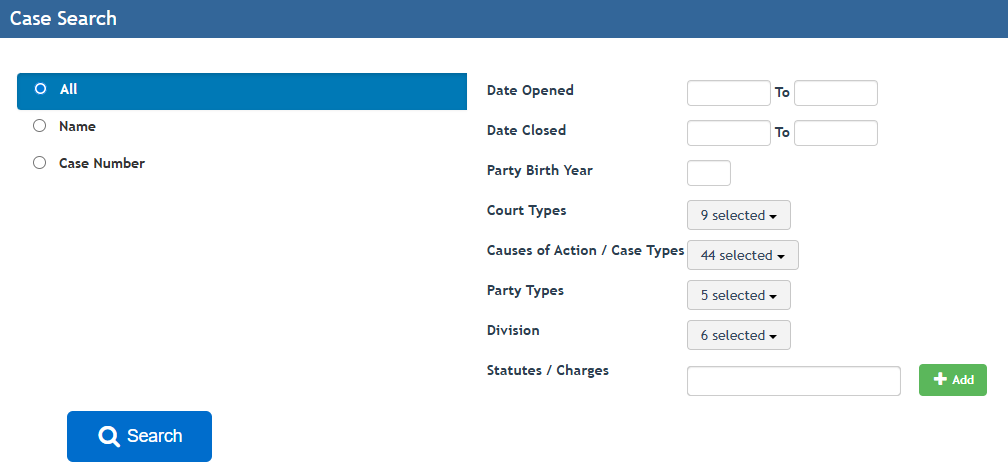
A Warren County Common Pleas Court case search can be completed through the official Case Inquiry tool by entering a case number or party name. The system provides docket records, case status information, hearing activity, filing history, and other court-related details for eligible public cases through Warren Court Services where users can access and review available court information online.
Official Search URL: https://clerkofcourts.warrencountyohio.gov/CommonPleasDiv/CaseInquiry/Index
Open the Official Case Search Tool
Visit the Warren County Clerk of Courts Common Pleas Division Case Inquiry page.
The search tool is available online and provides public information for:
- Civil cases
- Criminal cases
- Domestic Relations cases
The online database functions similarly to the public terminals located in the Clerk of Courts office.
Choose a Search Method
The system allows users to search court records using different identifiers.
Available search options include:
| Search Method | Best For |
|---|---|
| Case Number | Fastest and most accurate results |
| Party Name | Finding a case when the number is unknown |
| Plaintiff Name | Civil case searches |
| Defendant Name | Criminal and civil matters |
| Case Type | Narrowing search results |
A case number search usually produces the most precise match.
Enter Search Information
Type the available information into the search fields.
For a party name search, enter:
- First name
- Last name
- Business name (if applicable)
For a case number search, enter the full case number exactly as it appears on court documents.
Tips for better results:
- Check name spelling carefully.
- Remove unnecessary punctuation.
- Try partial names if no results appear.
- Search multiple name variations when necessary.
Review the Search Results Page
After submitting the search, the system displays matching cases.
The results page may show:
- Case number
- Case title
- Filing date
- Case type
- Party names
- Current case status
Open the Case Details Screen
Click the desired case from the results list.
The detailed case screen may contain:
- Case summary
- Court docket records
- Filing history
- Hearing activity
- Judge assignments
- Party information
- Attorney information
- Case status updates
Review Docket Records
The docket records section acts as a timeline for the case.
Common docket entries include:
| Docket Entry | Description |
|---|---|
| Complaint Filed | Case opened with the court |
| Motion Filed | Request submitted by a party |
| Hearing Scheduled | Court date assigned |
| Order Issued | Judge entered a ruling |
| Judgment Entry | Final court decision recorded |
| Notice Filed | Official notification added to the record |
Warren County Court Case Types
Warren County Common Pleas Court cases include civil disputes, felony criminal matters, and jury trials. These cases involve formal court filings, legal actions, judicial proceedings, and scheduled court hearings under Ohio law. The court handles serious legal matters where outcomes depend on evidence, testimony, and structured legal procedures.
Civil Cases
Civil cases deal with disputes between individuals, businesses, or organizations. The focus is on financial compensation or legal resolution instead of punishment. Common civil matters include contract disputes, personal injury claims, property conflicts, and debt recovery cases. These cases move through a structured civil litigation process that includes filings, hearings, and final judgments.
Key points in civil cases:
- Damages claims for financial loss or injury
- Legal remedies such as compensation or court orders
- Court filings submitted by both parties
- Court judgments issued after review
Criminal Cases
Criminal cases involve felony offenses prosecuted by the state. These matters are heard in Common Pleas Court when charges are serious under Ohio law. Typical criminal cases include drug offenses, violent crimes, burglary, theft, and fraud-related charges. These cases move through formal criminal proceedings from investigation to sentencing.
Key points in criminal cases:
- Criminal charges filed by prosecutors
- Defendant court hearings like arraignment
- Evidence presentation during trial
- Sentencing outcomes such as jail, probation, or fines
Jury Trials
Jury trials allow a group of citizens to review evidence and decide the final outcome of a case. These trials may apply to both civil and criminal matters. The process starts with jury selection and continues through opening statements, evidence presentation, closing arguments, and a final verdict.
Inside the courtroom:
- Judge manages legal procedure and order
- Attorneys present arguments and evidence
- Jury evaluates facts and testimony
- Verdict is recorded as final decision
Jurisdiction of the Warren County Common Pleas Court
Warren County Common Pleas Court jurisdiction defines the legal authority of the court to hear and decide specific types of cases within Warren County, Ohio. This jurisdiction mainly applies to serious civil disputes and felony criminal matters that require formal judicial review. The court operates under Ohio state law, which clearly defines its legal boundaries and responsibilities. It manages civil litigation, criminal proceedings, hearings, and final judgments within its authority. Each case is reviewed based on evidence, filings, and legal standards. This structure helps maintain fairness and consistency in the local justice system.
What Jurisdiction Means in Common Pleas Court
Jurisdiction refers to the legal power of a court to hear certain cases and issue binding decisions. In Warren County Common Pleas Court, this authority applies to civil and criminal matters that meet Ohio trial court requirements. The court reviews filings, conducts hearings, and evaluates evidence before making decisions. It also ensures that all legal procedures are followed correctly at every stage of a case. Without jurisdiction, the court cannot proceed or issue a valid ruling. This makes jurisdiction a core part of how the court system functions.
Key areas of court authority:
- Civil disputes involving financial or property matters
- Felony criminal cases under Ohio law
- Court hearings and trial proceedings
- Final judgments and legal rulings
Civil Jurisdiction of the Court
Civil jurisdiction covers disputes between individuals, businesses, or organizations where one party seeks legal remedy from another. These cases usually involve financial claims, property conflicts, or contract issues that require court intervention. The court evaluates evidence, listens to arguments, and applies Ohio civil law to reach a fair decision. Civil jurisdiction focuses on resolving disputes rather than punishing wrongdoing. Judges ensure both sides get equal opportunity to present their case. The final outcome may include compensation or court-ordered actions.
Common civil matters include:
- Contract disputes
- Personal injury claims
- Property and land disputes
- Debt recovery cases
Civil cases usually move through a structured process involving filings, hearings, and final judgments. The court may award damages, enforce agreements, or issue legal orders depending on the situation. This jurisdiction helps maintain fairness in private and financial disputes.
Criminal Jurisdiction of the Court
Criminal jurisdiction applies to felony-level offenses prosecuted by the state under Ohio law. These cases involve serious criminal acts that may lead to imprisonment, fines, or other legal penalties. The court handles the entire criminal process, from initial hearings to final sentencing. Defendants appear before the court to respond to charges and participate in proceedings. Judges ensure legal rights are protected while maintaining order in the courtroom. This jurisdiction plays an important role in enforcing public safety and criminal law.
Common felony cases include:
- Drug trafficking and related offenses
- Violent crimes such as assault and robbery
- Burglary and theft crimes
- Fraud and identity-related offenses
Criminal cases move through formal proceedings where evidence is reviewed and tested. Prosecutors present charges while defense attorneys respond with arguments and evidence. The court then decides guilt or innocence based on legal standards.
Authority of Ohio Trial Courts in Warren County
Warren County Common Pleas Court functions as a trial court under Ohio’s judicial system with broad legal authority. It handles both civil and criminal cases that require formal courtroom procedures and judicial decisions. The court conducts jury trials, manages hearings, and reviews motions as part of its authority. It also ensures that Ohio laws and constitutional rights are followed in every case. This authority allows the court to issue legally binding decisions. It serves as a key part of the county’s justice structure.
The court is responsible for handling:
- Felony criminal trials
- Civil litigation disputes
- Jury trial proceedings
- Court orders and judgments
Each case follows a structured process from filing to final decision. Judges oversee proceedings and ensure correct application of law at every stage. The rulings issued are enforceable across the county.
Civil Litigation Process
Civil litigation in Warren County Common Pleas Court follows a structured legal process used to resolve disputes between individuals, businesses, or organizations. This process involves formal court procedures, complaint filing, discovery, motions, settlement discussions, trial preparation, and final judgment. Each stage is handled under Ohio civil law and guided by court rules to keep proceedings fair and organized. The case usually begins when one party files a complaint and continues through multiple steps before reaching a final decision. Every stage plays a specific role in shaping the outcome of the civil lawsuit process.
Filing of Complaint and Case Initiation
The civil litigation process begins when a party files a formal complaint with the court. This complaint explains the dispute, the legal claims, and the relief being requested. The opposing party is then served with legal notice and must respond within a set time period. This stage officially starts the civil lawsuit process and brings the matter under court jurisdiction. The court assigns a case number and schedules initial procedural steps. Filing marks the beginning of all court-based legal action.
Key actions in this stage:
- Complaint filing with court
- Service of legal notice to defendant
- Response or answer from opposing party
- Case registration and assignment
Discovery Process
The discovery process allows both sides to exchange information and gather evidence before trial. This stage is one of the most important parts of civil litigation because it helps build each party’s case. Evidence such as documents, records, and witness statements is shared between both sides. Depositions may also take place where witnesses provide sworn testimony. The goal is to make sure both parties have access to relevant facts before court hearings begin. Discovery helps reduce surprises during trial.
Discovery activities include:
- Exchange of documents and evidence
- Written questions (interrogatories)
- Witness depositions under oath
- Requests for records and reports
Motions and Court Procedures
During litigation, both parties may file motions asking the court to make legal decisions before trial. These motions help resolve disputes about evidence, procedure, or case direction. The judge reviews these requests and issues rulings based on Ohio law and court rules. This stage helps streamline the case and may even resolve parts of the dispute early. Court procedures at this stage are critical for maintaining fairness and structure in the case. Many civil cases are narrowed significantly through motion decisions.
Common motions include:
- Motion to dismiss the case
- Motion for summary judgment
- Motion to exclude evidence
- Procedural clarification requests
Settlement Negotiations
Settlement negotiations often take place before a case reaches trial. Both parties may attempt to resolve the dispute without a full courtroom hearing. This can involve direct discussions, attorney negotiations, or mediation sessions. Settlements help reduce time, cost, and uncertainty for both sides. If an agreement is reached, the case may end without trial. If not, the case continues toward court proceedings. Many civil cases in Ohio are resolved at this stage.
Settlement process includes:
- Negotiation between parties or attorneys
- Mediation sessions if required
- Agreement on compensation or terms
- Written settlement approval
Trial Preparation and Court Hearing
If no settlement is reached, the case moves into trial preparation. Attorneys organize evidence, prepare witnesses, and build arguments for presentation in court. The judge sets a trial date and final procedural rules are confirmed. During trial, both sides present evidence, question witnesses, and make legal arguments. The court evaluates all material presented under Ohio civil law. This stage determines how the dispute is formally decided in court.
Trial preparation includes:
- Organizing evidence and exhibits
- Preparing witness testimony
- Reviewing legal arguments
- Final pre-trial court hearings
Criminal Trial Process
Criminal trials in Warren County Common Pleas Court follow a structured felony court process used for serious offenses under Ohio law. The process includes criminal charges, arraignment, pretrial hearings, plea discussions, trial preparation, and final sentencing. Each stage is designed to move the case in a legal and organized way. The court ensures that evidence is reviewed properly and legal rights are protected throughout proceedings.
Filing of Criminal Charges and Case Initiation
The criminal trial process begins when law enforcement completes an investigation and prosecutors file formal criminal charges. In felony cases, charges may be presented through a grand jury indictment. Once filed, the court assigns a case number and schedules the first hearing. This stage officially brings the case into the Common Pleas Court system and starts formal proceedings.
Arraignment Stage
The arraignment is the first formal court appearance after charges are filed. During this hearing, the defendant is informed of the charges and asked to enter a plea. The judge may also address bail or release conditions depending on the case. This stage ensures the defendant understands the allegations and legal process ahead.
Common plea options include:
- Guilty plea
- Not guilty plea
- No contest plea
Pretrial Hearings and Motions
Pretrial hearings focus on preparing the case for trial and resolving legal issues before courtroom proceedings begin. Both prosecution and defense review evidence and file motions related to the case. The judge decides what evidence can be used and addresses procedural disputes. This stage helps streamline the trial process and clarify key legal matters.
Key pretrial activities include:
- Motion to suppress evidence
- Motion to dismiss charges
- Evidence review and witness lists
- Case scheduling and court rulings
Plea Agreements and Case Resolution Options
Plea agreements allow both sides to resolve a criminal case without going to trial. In these agreements, the defendant may plead guilty in exchange for reduced charges or lighter sentencing recommendations. The judge must approve all plea deals before they become final. This step often reduces court time and resolves cases faster than full trials.
Plea outcomes may include:
- Reduced criminal charges
- Lower sentencing terms
- Dismissal of certain charges
- Agreement to avoid trial
Trial Preparation and Courtroom Proceedings
If no plea agreement is reached, the case moves into trial preparation. Both sides prepare evidence, witnesses, and legal arguments for presentation in court. During trial, the prosecution presents its case first, followed by the defense. Witnesses are examined and cross-examined under court supervision. The judge ensures that all procedures are followed correctly.
Trial preparation involves:
- Evidence organization
- Witness preparation
- Legal strategy planning
- Final pretrial hearings
Jury Service in Warren County Common Pleas Court
Jury service in Warren County Common Pleas Court is a civic responsibility where eligible citizens take part in jury trials. Selected individuals help decide civil and criminal cases by reviewing evidence and listening to courtroom arguments. This process ensures fair decision-making based on facts presented in court. Jury service supports transparency and balance in the justice system.
What Jury Service Means
Jury service means that a citizen is temporarily called to serve as a juror in court cases. Individuals receive a jury summons requiring them to appear at a specific time and location. Their responsibility is to listen carefully to evidence and help reach a fair verdict. Jury service is limited to eligible residents who meet court requirements.
Jury Summons Process
A jury summons is an official notice sent by the court to selected citizens for potential jury duty. It includes reporting instructions, date, and courthouse details. Citizens are required to respond and may need to appear for jury selection. Ignoring a summons without valid reason can lead to penalties under court rules.
Key details included in a summons:
- Reporting date and time
- Court location information
- Instructions for attendance
- Requirement to respond
Juror Qualifications
Juror qualifications are rules used to decide who can serve on a jury. The court ensures that selected individuals are fair, impartial, and legally eligible. Some individuals may be excused based on legal exemptions or personal hardship. These rules help maintain fairness in the jury selection process.
Basic qualification requirements include:
- Must be a U.S. citizen
- Must be a county resident
- Must meet minimum age requirement
- Must have no disqualifying legal restrictions
Jury Selection Process
The jury selection process is used to choose individuals who will serve on a trial jury. During this stage, potential jurors are questioned by attorneys and the judge. The purpose is to identify fairness and remove bias from the panel. Selected jurors are then assigned to a civil or criminal trial.
This process may include:
- Questioning of potential jurors
- Review of fairness and impartiality
- Removal of biased individuals
- Final selection of jury panel
Courtroom Participation of Jurors
Jurors actively participate in courtroom participation by listening to evidence and observing trial proceedings. They are required to remain neutral and avoid outside information about the case. Their role is to carefully evaluate testimony and facts presented in court. The judge provides instructions that jurors must follow during the trial.
Juror responsibilities include:
- Listening to witness testimony
- Reviewing evidence presented in court
- Remaining neutral and unbiased
- Following judge’s instructions
Court Dockets and Hearing Information
Court dockets in Warren County Common Pleas Court provide an official record of scheduled court hearings, upcoming appearances, and case events. These records help track how cases move through the court system, including filing updates, motion hearings, and trial dates. Docket information is used by attorneys, parties, and the public to stay informed about case progress. It plays an important role in docket management and court scheduling information. Each entry reflects a specific action or hearing connected to a case. This system helps maintain organized and transparent court operations.
Hearing Schedules and Court Calendar
Hearing schedules provide specific dates and times when cases are set to appear before the court. These schedules are part of the broader court calendar, which organizes all upcoming proceedings. Each hearing may involve motions, status conferences, or trial sessions depending on the case type. The court calendar is updated frequently to reflect new or changed dates. This ensures that all participants are aware of their required appearances.
Common hearing types include:
- Motion hearings
- Pretrial conferences
- Trial dates
- Sentencing hearings
Upcoming Hearings and Case Tracking
Upcoming hearings show the future court events scheduled for active cases. These listings help parties prepare for court appearances and legal proceedings. Attorneys use this information for trial preparation and case strategy planning. The public may also view certain docket information depending on court rules. Tracking upcoming hearings ensures that no court dates are missed or overlooked. It supports better organization of legal proceedings.
Docket Management and Scheduling System
Docket management refers to how the court organizes and maintains all case schedules and hearing updates. The system ensures that cases move forward without delays or conflicts in scheduling. Judges and court staff update dockets based on case progress and legal requirements. This process helps maintain order in both civil and criminal proceedings. Proper scheduling ensures that court resources are used efficiently. It also reduces confusion for attorneys and litigants.
Key functions of docket management include:
- Updating case hearing dates
- Assigning courtroom schedules
- Tracking case progress stages
- Coordinating judge availability
Judges of the Warren County Common Pleas Court
Warren County Common Pleas Court judges are judicial officers responsible for overseeing civil and criminal cases within the county’s trial court system. They manage courtroom proceedings, interpret Ohio law, and issue legal rulings based on evidence and arguments presented during hearings. These judges play a central role in ensuring fair and lawful outcomes in both civil litigation and felony criminal trials. Each judge is assigned specific cases and works within defined judicial responsibilities. Their decisions directly impact case outcomes and court operations. This role requires strict application of law and impartial decision-making in all proceedings.
Role of Common Pleas Judges
Common pleas judges handle serious legal matters that fall under the court’s jurisdiction, including felony criminal cases and major civil disputes. They supervise courtroom procedures and ensure that trials follow Ohio legal standards. Judges also review motions, evaluate evidence, and make rulings that guide how cases proceed. Their role extends beyond hearings, as they manage case flow and maintain order in courtroom proceedings. These responsibilities help ensure that justice is delivered fairly and consistently.
Judicial Responsibilities in Court
Judges in Warren County Common Pleas Court carry a wide range of responsibilities during legal proceedings. They preside over trials, control courtroom conduct, and ensure both sides follow proper legal procedures. Judges also decide on objections, rule on motions, and guide juries during trials. Their decisions are based on evidence, legal arguments, and Ohio state law. These responsibilities make them key figures in maintaining courtroom structure and fairness.
Common responsibilities include:
- Presiding over civil and criminal trials
- Ruling on legal motions and objections
- Managing jury instructions and trial conduct
- Issuing final judgments and legal orders
Judicial Assignments and Case Management
Judicial assignments determine which judge is responsible for specific cases in Common Pleas Court. Cases are distributed based on court scheduling systems and workload balance. Each judge manages assigned cases from filing through final judgment. This includes overseeing hearings, reviewing case progress, and ensuring timely resolution. Proper assignment helps maintain efficiency and fairness in the court system. Judges also coordinate with court staff for docket scheduling and case management. This ensures hearings are properly organized and no delays occur in proceedings. Their role in case management supports smooth courtroom operations and consistent legal processing.
Importance of Trial Court Judges
Trial court judges in Warren County play a key role in maintaining the justice system at the county level. They ensure that legal disputes are resolved according to Ohio law and constitutional rights. Their rulings impact individuals, businesses, and public safety. Judges must remain neutral and base decisions only on facts and evidence presented in court. This responsibility strengthens trust in the legal system and ensures fair outcomes in all cases.
Filing Documents with the Warren County Common Pleas Court
Court filings in Warren County Common Pleas Court refer to the official submission of legal documents, case paperwork, and formal requests to start or support a case. These filings are processed through the court clerk’s office, which records and manages all case submissions. The filing process ensures that every legal action becomes part of the official court record. Proper filing is required for civil litigation, criminal proceedings, motions, and other judicial actions. Each document must follow specific court rules before it is accepted. This system helps maintain accuracy and order in legal case management.
Court Filing Process
The filing process begins when a party submits legal documents to the court clerk. These documents may include complaints, motions, responses, or supporting evidence. The clerk reviews the paperwork to confirm it meets basic filing standards. Once accepted, the documents are officially added to the case record and assigned a filing date. This step formally activates the case within the court system and begins the legal process. Accurate filing is essential for proper case tracking and scheduling.
Required Legal Documents
Court filings must include specific legal paperwork depending on the type of case being submitted. Civil cases often require a complaint, summons, and supporting documents. Criminal cases may involve indictments, motions, or legal responses from attorneys. Each document must be clearly written and follow Ohio court formatting rules. Incomplete or incorrect paperwork may delay the filing process or require correction before acceptance. Proper documentation ensures that the case moves forward without unnecessary delays.
Common legal documents include:
- Complaints and petitions
- Motions and responses
- Evidence and supporting records
- Court notices and summons
Filing Requirements and Procedures
Filing requirements ensure that all legal documents meet court standards before being accepted. These requirements include correct formatting, proper signatures, and payment of filing fees where applicable. The court clerk checks each submission to confirm compliance with Ohio court rules. If documents do not meet requirements, they may be returned for correction. This process helps maintain consistency and reliability in all court filings and legal procedures.
Key filing requirements include:
- Proper document formatting
- Required signatures from parties or attorneys
- Submission of correct filing fees
- Compliance with court rules
Role of the Court Clerk
The court clerk plays a central role in managing all filing procedures in Common Pleas Court. The clerk receives legal documents, records filing dates, and maintains official case files. They also assign case numbers and update court records as new documents are submitted. This role ensures that all filings are properly tracked and stored within the court system. The clerk’s office serves as the main point of contact for case submissions and procedural updates.
Court Fees and Costs
Court fees in Warren County Common Pleas Court are official charges required for filing and processing legal cases. These fees vary depending on case type such as civil, domestic relations, criminal filings, and court services. Each case has a fixed structure of charges set by the Clerk of Courts. Fees are collected at the time of filing so the case can be officially processed. Some cases may also include additional service costs such as sheriff service, certified copies, or publication notices. A fee waiver may be available in limited situations based on financial eligibility. Below is a clear breakdown of court fees by case type.
Civil Case Fees
Civil cases involve disputes between individuals, businesses, or organizations where legal resolution is required. These cases usually begin with a complaint filing and may include additional motions, jury requests, or service-related charges during the process.
| Fee Type | Amount | Description |
|---|---|---|
| Civil Case Filing | $200 | Standard filing fee for civil lawsuits |
| Jury Demand | $200 | Fee to request jury trial |
| Motion Filing | $50–$100 | Based on type of motion |
| Sheriff Service | $30–$50 | Per party service cost |
Domestic Relations Fees
Domestic relations cases include family-related legal matters such as divorce, custody, and support issues. These cases often require different filing fees depending on whether children are involved and how notice is served.
| Fee Type | Amount | Description |
|---|---|---|
| Divorce (with children) | $400 | Includes custody-related filing |
| Divorce (without children) | $300 | Standard divorce filing |
| Domestic by Publication | $500 | When notice is published publicly |
| Affidavit of Indigency | $15 | Fee waiver request filing |
Criminal Case Fees
Criminal cases generally do not require standard filing fees for prosecution since the state files the case. However, certain post-conviction requests and legal services may involve fixed administrative charges depending on the request type.
| Fee Type | Amount | Description |
|---|---|---|
| Record Sealing | $50 | Seal or expunge criminal record |
| Motion Filing | $50–$100 | Post-case legal filings |
| Appeal Filing | $200–$225 | Based on court level |
Additional Court Service Fees
Some court services apply across multiple case types and depend on specific legal requirements during proceedings. These services are typically requested during the case and are charged separately from filing fees.
| Service | Amount | Description |
|---|---|---|
| Certified Copies | Per page | Official document copies |
| Publication Notice | Varies | Depends on publication cost |
| Sheriff Service | $30–$50 | Per party service delivery |
Payment Rules
All court fees must be paid at the time of filing through the Warren County Clerk of Courts. If payment is not made, the court may delay or reject the filing until the required fee is received. Some applicants may request a fee waiver if they demonstrate financial hardship and meet court approval criteria. All payments are recorded as part of the official case record and linked to the filing documents for tracking and compliance purposes.
Common Pleas Court Location Information
Warren County Common Pleas Court is located in Lebanon, Ohio, and serves as the main courthouse for civil and felony criminal cases in the county. It also houses key offices like the Clerk of Courts, where legal filings, records, and case documents are processed. This section provides accurate contact details, office hours, and location information for public use. It helps visitors reach the courthouse for hearings, filings, or general inquiries.
Court Address
Warren County Common Pleas Court
500 Justice Drive
Lebanon, OH 45036
United States
Phone Number
- Main Phone: 513-695-1346
- Clerk of Courts: 513-695-1120
Office Hours
- Monday to Friday: 8:00 AM – 4:30 PM
- Saturday: Closed
- Sunday: Closed
- Closed on all official Ohio state holidays
Frequently Asked Questions
These frequently asked questions help explain how the Warren County Common Pleas Court works, including civil cases, criminal trials, jury trials, court records, and filings. The answers are written to give clear and practical information for public use.
What cases are handled by the Warren County Common Pleas Court?
Warren County Common Pleas Court handles major civil disputes and serious criminal cases within the county. These cases include civil lawsuits, contract disputes, property matters, and felony criminal offenses. The court also manages jury trials and hearings that require formal judicial review. It does not handle minor traffic violations or small claims cases, which fall under lower courts.
Does the court hear felony criminal cases?
Yes, this court has full authority over felony criminal cases in Warren County. These include serious charges such as violent crimes, property crimes, and other offenses that carry significant legal penalties. The court manages the full process from arraignment to trial and sentencing. Misdemeanor cases are generally handled in municipal courts, not Common Pleas Court.
How can court records be searched?
Court records can be searched through the Warren County Clerk of Courts system using online tools or in-person requests. Users can search by case number, party name, or filing date depending on available search options. Records may include civil filings, criminal cases, and hearing details. Some sensitive or sealed records are restricted and not publicly available.
Are court records public?
Most court records are public under Ohio public records laws and can be reviewed by citizens. These include court dockets, case filings, hearing schedules, and judgments. However, certain records such as juvenile cases, sealed files, and protected personal information are not available to the public. Access rules depend on case type and court restrictions.
How do jury trials work?
Jury trials involve a group of selected citizens who listen to evidence presented in court and decide the case outcome. Jurors are selected through a jury selection process where attorneys and the judge evaluate fairness and impartiality. During the trial, jurors review testimony, documents, and arguments from both sides. After deliberation, they deliver a final verdict based on the facts presented in court.