Warren County Family Court (Domestic Relations Court) handles legal matters involving family relationships, including divorce, child custody, and support cases. It serves as the main family law court where parents and spouses resolve domestic disputes through formal legal procedures. The court manages sensitive issues related to separation, parenting rights, and financial responsibilities. Cases are reviewed based on evidence, state law, and the best interest of children. It also provides a structured process for resolving conflicts between family members. The court plays a central role in maintaining fairness in domestic relations matters.
Warren County Family Court (Domestic Relations Court) also deals with a wide range of family legal matters under the domestic relations division. This includes child support enforcement, visitation schedules, and paternity cases. The court works to ensure both parents meet their legal duties toward children. It also provides family court services that help with filings, hearings, and case management support. Many cases involve emotional disputes, so the court follows strict legal standards to reach balanced decisions. Through this system, families receive legal resolution in structured and law-based settings.
How to Search Family Court Cases in Warren County
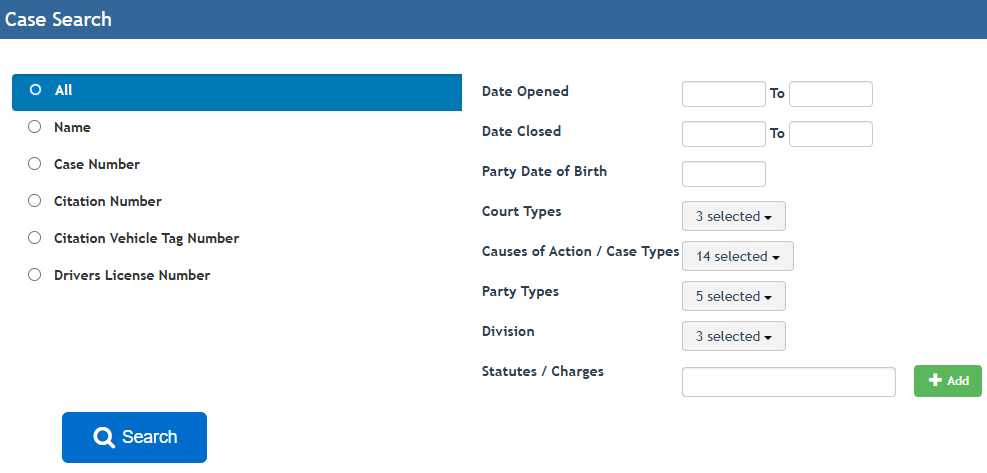
Users can search family court cases in Warren County through the official court records system. The search tool allows access to Warren County Family Court records hearing schedules filing history and case status information for domestic relations matters through Warren Court Access. This search process helps users track court activity related to divorce child custody child support parenting time and other family law cases.
Official URL: https://clerkofcourts.warrencountyohio.gov/
How to Access the Search URL
- Visit the official Clerk of Courts website.
- Click County Court Public Access from the homepage.
- Access the public Case Search page to search court records.
- Select a search option:
- Name Search
- Case Number Search
- Enter the required search information.
- Click Search to view matching records.
- Open the relevant case to review:
- Case details
- Docket entries
- Hearing information
- Case status updates
Information Needed Before Searching
Before beginning a court records search, users should gather any available details related to the case. Having accurate information improves search results and helps locate records more quickly. Family court cases often involve multiple parties, so exact names and case identifiers are useful during the search process.
Helpful information includes:
- First and last name of a party
- Case number
- Filing year
- Type of family case
- Approximate hearing date
Searching by Name
A name search is the most common method used when a case number is unavailable. This option allows users to search court records by entering the name of a spouse, parent, guardian, or other party connected to the case.
Steps to Search by Name:
- Open the Case Search page.
- Select Name as the search option.
- Enter the party’s first and last name.
- Use Court Type or Division filters if available.
- Click Search.
- Review the list of matching family court cases.
- Select the correct case to view additional details.
Searching by Case Number
Searching by case number is usually the fastest and most accurate way to locate a record. Since each case receives a unique number when filed, this method helps avoid duplicate or similar-name results.
Steps to Search by Case Number:
- Open the Case Search page.
- Select Case Number.
- Enter the complete case number.
- Click Search.
- Open the matching result.
Reviewing Case Information
After opening a case record, users can review information that helps track court activity and procedural history. The amount of information displayed may vary depending on the case type and public record restrictions.
Available information may include:
- Case number
- Case type
- Filing date
- Party names
- Assigned judge
- Hearing dates
- Court orders
- Docket entries
- Current case status
Understanding Search Results
Search results provide a summary of information associated with the selected record. Users should carefully review names, filing dates, and case descriptions to confirm that the correct case has been located. Similar names can appear in multiple records, making verification an important step. Some Warren County Family Court records may contain restricted information due to privacy laws and court rules. Publicly available records generally provide enough information to monitor case progress, review hearing schedules, and follow docket activity through the court system.
Types of Family Law Cases Heard
Warren County Family Court handles various family law matters involving domestic disputes, parental rights, and legal responsibilities between family members. These cases include divorce, custody, support, and enforcement of court orders. Each matter is reviewed under Ohio law with focus on fairness and the child’s best interest.
Divorce Cases
Divorce cases involve the legal ending of a marriage and are one of the most common family legal proceedings in Warren County. The court reviews financial records, property details, and family responsibilities before making decisions. These cases may include disagreements between spouses about money, property, or children.
Main issues commonly addressed:
- Property and asset division
- Spousal financial support
- Child custody arrangements
- Legal termination of marriage
Legal Separation Matters
Legal separation cases allow spouses to live apart without officially ending the marriage. These cases are used when couples want legal clarity about financial duties and parenting responsibilities while remaining married. The court sets structured terms for both parties.
These matters often involve:
- Financial responsibility between spouses
- Child-related arrangements
- Living and housing conditions
- Temporary support orders
Child Custody Disputes
Child custody disputes focus on parental rights and where the child will live after separation. The court evaluates each parent’s ability to provide care, stability, and safety. Decisions are always based on the child’s best interest.
Custody rulings may cover:
- Physical custody (living arrangements)
- Legal custody (decision-making rights)
- Joint or sole custody structure
- Parenting responsibility balance
Child Support Proceedings
Child support cases ensure both parents contribute financially to raising their children. These support matters are calculated using income, expenses, and Ohio child support guidelines. The court sets payment obligations to meet the child’s needs.
These cases usually involve:
- Monthly support payments
- Healthcare and education costs
- Income-based calculations
- Enforcement of unpaid support
Parenting Time and Visitation Issues
Parenting time cases decide how children will spend time with each parent after separation. The court creates schedules that support healthy relationships and stable routines for the child. These arrangements vary depending on family circumstances.
Common arrangements include:
- Weekend and weekday schedules
- Holiday and vacation sharing
- Supervised visitation when needed
- Pickup and drop-off arrangements
Modification Requests
Modification cases involve changes to existing court orders when family circumstances change significantly. These family legal proceedings often arise due to relocation, income changes, or child needs. The court reviews whether adjustments are justified.
Typical requests include:
- Custody changes
- Child support adjustments
- Visitation schedule updates
- Relocation-based modifications
Contempt and Enforcement Actions
Contempt cases occur when court orders are not followed properly in family law matters. These cases ensure compliance with custody, support, and visitation rulings. The court reviews violations and decides corrective action.
Common violations include:
- Non-payment of child support
- Denial of visitation rights
- Ignoring custody orders
- Failure to follow court instructions
Divorce Cases in Warren County Family Court
Divorce cases in Warren County Family Court are handled under the divorce court system where legal termination of marriage is processed through structured legal steps. These cases involve issues such as separation, financial responsibilities, and child-related arrangements. The court reviews each situation based on evidence, income details, and Ohio family law rules.
Divorce Proceedings
Divorce proceedings begin when one spouse files a petition for the dissolution of marriage or divorce in the court. This marks the start of the divorce filing process, where both parties submit financial documents and personal details. The court then schedules hearings to review the case. During this stage, the court may also address temporary arrangements related to children, property use, and financial support. Each case moves forward based on whether both parties agree or dispute the terms.
Contested vs. Uncontested Divorce
Divorce cases are generally classified as contested or uncontested depending on agreement between spouses. In an uncontested divorce, both parties agree on key issues like custody, support, and property division. This process is usually faster and less complex. In a contested divorce, disagreements exist between spouses regarding financial or family matters. The court must then review evidence and make final decisions after hearings and legal arguments.
Property and Debt Division
One major part of divorce cases involves property division, where marital assets and debts are divided fairly between spouses. The court considers income, contributions, and financial needs before making decisions.
Property and debt distribution may include:
- Real estate and home ownership
- Bank accounts and savings
- Loans and credit card debts
- Personal property and assets
Spousal Support Considerations
Spousal support, also known as alimony, may be awarded depending on financial conditions of both spouses. The court evaluates income differences, marriage length, and living standards before deciding support amounts.
Factors that influence spousal support include:
- Length of marriage
- Earning capacity of each spouse
- Financial needs and obligations
- Standard of living during marriage
Final Divorce Orders
Once all issues are resolved, the court issues final divorce orders that legally end the marriage. These orders include custody arrangements, financial responsibilities, and property division details. After approval, both parties must follow the court’s decision.
For official records and case verification, users can review:
- Warren County Court Records
Child Custody Cases and Parenting Responsibilities
Child custody cases in Warren County Family Court focus on child custody decisions and structured parenting plans that define how parents share responsibilities after separation or divorce. These cases are part of broader family legal proceedings where the court evaluates parental rights, the child’s safety, emotional stability, and long-term well-being. The court aims to create a balanced arrangement that allows both parents to remain involved in the child’s life while ensuring a stable and supportive environment.
Types of Child Custody Arrangements
Child custody arrangements define how responsibility for a child is shared between parents after separation. The court decides custody based on evidence, living conditions, and the ability of each parent to provide care. These arrangements are created to support the child’s education, health, and emotional development. Custody arrangements may differ depending on the family situation. Some parents share responsibilities equally, while in other cases one parent may have primary responsibility.
Common custody structures include:
- Sole custody where one parent has primary responsibility
- Joint custody shared between both parents
- Physical custody determining the child’s primary residence
- Legal custody covering major decision-making rights
Shared Parenting Plans
Shared parenting plans are designed to allow both parents to remain actively involved in raising the child. These plans are often used when cooperation between parents is possible and beneficial for the child. The court carefully reviews whether shared parenting supports stability and reduces conflict. These plans outline how parents will communicate, share responsibilities, and make important decisions together. They also define how day-to-day care will be managed.
A typical shared parenting plan may include:
- Equal or structured decision-making authority for both parents
- Clear communication rules for education, healthcare, and activities
- Defined roles in financial and daily responsibilities
- Stability-focused living arrangements for the child
Parenting Time Schedules
Parenting time schedules define when each parent spends time with the child after separation. These schedules are created to maintain strong emotional bonds between the child and both parents. The court considers work schedules, distance between homes, and the child’s routine when creating these arrangements. The goal is to provide consistency and reduce disruption in the child’s daily life. Parenting time plans can be flexible or structured depending on the situation.
Common scheduling patterns include:
- Alternating weekends and weekdays
- Week-on/week-off arrangements
- Holiday and school vacation rotations
- Supervised visitation in special cases
Factors Courts Consider in Custody Decisions
Custody decisions are based on multiple factors that focus on the child’s best interests. The court reviews each parent’s ability to provide care, emotional support, and financial stability. Evidence, testimony, and family history are considered during hearings. The judge also evaluates how each parent contributes to the child’s overall development. Stability and safety remain the top priorities in every decision.
Key factors include:
- Child’s emotional and physical well-being
- Stability of each parent’s home environment
- History of caregiving and involvement
- Ability to support education and healthcare needs
- Relationship between child and each parent
Custody Modification Requests
Custody modification requests are filed when there is a major change in circumstances that affects the existing custody arrangement. These requests allow the court to update parenting orders to reflect current family conditions. Common reasons include relocation, changes in income, or changes in the child’s needs. The court does not approve modifications automatically. A significant and proven change must be shown before any adjustment is made. The focus remains on protecting the child’s stability and long-term well-being.
Typical reasons for modification include:
- Relocation of one parent
- Changes in work schedule or income
- Safety or welfare concerns for the child
- Changes in the child’s educational or emotional needs
Child Support Cases and Financial Responsibilities
Child support cases in Warren County Family Court focus on child support obligations that ensure both parents contribute to the financial needs of their child. These cases fall under family law matters where the court issues a support order based on income, parenting time, and Ohio guidelines. The goal is to maintain the child’s financial stability after separation or divorce by ensuring both parents share responsibility fairly.
What Child Support Covers
Child support is meant to support the child’s daily living and development needs after parents separate. It ensures that the child continues to receive proper care even when living arrangements change. The court evaluates the child’s requirements along with each parent’s financial capacity.
It usually includes essential expenses required for stable growth and well-being.
- Basic living expenses like food, clothing, and housing
- Schooling and education-related costs
- Medical care and health insurance
- Childcare and other necessary support services
How Support Orders Are Established
Support orders are created when the court reviews both parents’ financial information and applies Ohio’s child support guidelines. These orders define how much each parent must contribute toward child support payments. The process ensures fairness and consistency based on income and custody arrangements. The court relies on official financial records to calculate a proper amount.
Steps in the process include:
- Submission of income and expense details
- Review of custody and parenting time
- Calculation using state guidelines
- Issuance of a formal support order
Modifying Child Support Orders
A support modification can be requested when there is a significant change in circumstances affecting financial responsibility. This may include job changes, income variation, or changes in the child’s needs. The court does not change orders automatically and requires proof before approval. Each request is reviewed carefully to ensure fairness.
Common reasons for modification include:
- Loss or increase of income
- Change in custody or parenting time
- New medical or educational expenses
- Relocation or household changes
Enforcement of Support Orders
When a parent does not follow a support order, the court can take enforcement action to recover unpaid child support. These actions are designed to protect the child’s financial well-being and ensure compliance with legal obligations.
The court may use different methods to collect overdue payments.
- Wage garnishment from employer
- Tax refund interception
- License suspension (driving or professional)
- Court hearings for non-payment
Common Child Support Issues
Child support cases often involve disputes related to payments, income reporting, or enforcement of orders. These issues usually arise when financial situations change or when parents disagree on payment calculations. The court reviews each issue to maintain fairness for both parties and the child. Common concerns include missed payments, disputes over income, and requests for adjustment. Proper documentation helps resolve most of these matters during hearings.
Parenting Plans and Visitation Arrangements
Parenting plans and visitation schedules in Warren County Family Court define how parents share time, responsibilities, and decision-making after separation or divorce. These arrangements fall under family law and are designed to support the child’s stability, emotional health, and consistent care. The court encourages structured co-parenting arrangements so both parents remain actively involved in the child’s life in a balanced and predictable manner.
What Is a Parenting Plan?
A parenting plan is a structured agreement that explains how parents will share responsibilities after separation. It sets clear rules for daily care, decision-making, and communication between parents. The court uses this plan to reduce conflict and create a stable routine for the child. A well-prepared parenting agreement focuses on cooperation between parents and long-term stability for the child. It also helps avoid misunderstandings by clearly defining each parent’s role in upbringing and decision-making.
Common Parenting Schedule Structures
Parenting schedules determine how time is divided between parents. These parenting time arrangements are created based on the child’s needs, school routine, and parents’ work schedules. The court tries to maintain consistency so the child can adjust easily to both homes. Some families follow alternating weekly schedules, while others use more flexible arrangements depending on distance and availability. The structure chosen usually reflects what best supports the child’s daily routine and emotional comfort.
Holiday and Vacation Arrangements
Holiday and vacation arrangements are an important part of visitation schedules because they help ensure fairness during special occasions. These plans reduce conflicts by clearly defining how holidays and school breaks will be shared between parents. The court often includes specific instructions so both parents get meaningful time with the child during important events. These arrangements are planned in advance to avoid confusion and last-minute disagreements.
Updating Parenting Agreements
Parenting agreements may need changes over time due to shifts in family circumstances, such as relocation, changes in work schedules, or evolving needs of the child. Courts allow updates when there is a valid reason that affects the existing arrangement. A revised parenting plan is only approved if it supports the child’s best interest and improves stability. The court carefully reviews whether the change is necessary before modifying any existing order.
Domestic Disputes and Family Court Proceedings
Domestic disputes in Warren County Family Court involve conflicts between family members that require legal resolution through domestic relations cases. These matters are part of broader family court hearings where judges review evidence, listen to both parties, and apply Ohio family law to reach fair outcomes. The court plays a key role in providing court intervention when families are unable to resolve issues on their own.
Common Domestic Relations Disputes
Domestic relations disputes often arise from disagreements between spouses, parents, or family members. These family conflicts can involve financial matters, parenting responsibilities, or violations of existing court orders. The court steps in when informal resolution is not possible. These cases may include issues related to separation, custody disagreements, support obligations, or enforcement of parenting arrangements. Each case is reviewed based on documentation, testimony, and legal standards to ensure fairness.
Court Hearings and Proceedings
Court hearings are formal sessions where domestic disputes are reviewed by a judge. During these family court hearings, both parties present evidence, documents, and statements to support their position. The judge then evaluates the information before making decisions. Hearings may be scheduled multiple times depending on case complexity. Temporary orders may also be issued to manage custody, support, or living arrangements while the case is ongoing.
Resolving Ongoing Family Conflicts
The court often works to resolve ongoing family conflicts through structured legal processes. Judges may encourage communication, mediation, or structured agreements to reduce tension between parties. The goal is to reach solutions that support stability and reduce long-term disputes. In many cases, resolutions focus on creating clear responsibilities for each party. This helps minimize misunderstandings and ensures smoother family arrangements going forward.
Enforcement and Compliance Matters
When court orders are not followed, enforcement actions may be taken in the municipal court to ensure compliance. These matters are important in maintaining the authority of domestic relations cases and protecting the rights of all parties involved. The court may review violations such as missed support payments or ignored custody orders. If non-compliance is proven, corrective actions are issued to enforce the original ruling and maintain legal order.
Location and Contact Information
Warren County Family Court handles domestic relations matters such as divorce, custody, and child support cases. It serves as the main courthouse for family law proceedings in Warren County, Ohio. Users visit this location for hearings, filings, and case-related services. The court office also provides public assistance for accessing records and procedural information. Clear contact details and office hours help individuals manage their legal matters efficiently.
Court Address
The official court location for Warren County Domestic Relations Court is:
500 Justice Drive
Lebanon, OH 45036
United States
Phone Numbers
The main contact number for Warren County Domestic Relations Court is:
Phone: 513-695-1344
Office Hours
The court follows standard weekday business hours for public services.
Monday – Friday: 8:00 AM – 4:00 PM
Closed: Weekends and public holidays
Lunch Break: 12:30 PM – 1:00 PM
Frequently Asked Questions
Warren County Family Court handles important family law matters including divorce, custody, and child support cases. These FAQs explain common questions related to court procedures, filings, and case processes. The information below helps users understand how Warren County Family Court FAQ topics are handled in Ohio family court system.
Can I file for divorce through Warren County Family Court?
Yes, a person can file for divorce through Warren County Family Court if Ohio residency requirements are met. Usually, one spouse must have lived in Ohio for at least six months before filing. The court handles both contested and uncontested divorce court cases depending on whether both parties agree on terms. The filing process begins with submitting a formal petition to the court. After filing, the court schedules hearings to review financial details, property matters, and parenting arrangements if children are involved.
What types of child custody arrangements are available?
Warren County Family Court offers different child custody arrangements depending on the child’s best interest. The court may assign sole custody to one parent or shared parenting where both parents take part in decision-making. Each case is reviewed carefully to ensure stability and proper care for the child. Custody decisions also consider where the child will live and how responsibilities are shared. The court focuses on maintaining a safe and supportive environment for the child’s overall development.
How is child support determined?
Child support is determined using Ohio state guidelines that consider both parents’ income, custody time, and the child’s needs. The court creates a formal support order that sets the amount and payment schedule. This ensures fair financial contribution from both parents. The calculation also includes factors like healthcare costs, education expenses, and number of children involved. The goal is to provide consistent financial support for the child’s daily needs.
Can parenting plans be changed later?
Yes, parenting plans can be modified if there is a significant change in circumstances. The court reviews requests carefully before approving any changes to parenting time or custody arrangements. Modifications are only granted when they support the child’s best interest.Changes may be needed due to relocation, changes in work schedules, or the child’s evolving needs. The court ensures that updated plans continue to provide stability and balance for both parents and children.
How can I search family court records?
Family court records can be searched through the official Warren County Clerk of Courts public access system. Users can perform a case lookup by entering a name or case number to view avai lable records. This system provides access to public Warren County Family Court records, including docket information and case status.Search results help users track hearings, filings, and case progress. Some information may be limited depending on privacy rules and case type.